Emergencywaterdamagerepair in Sagebrush, Done Right

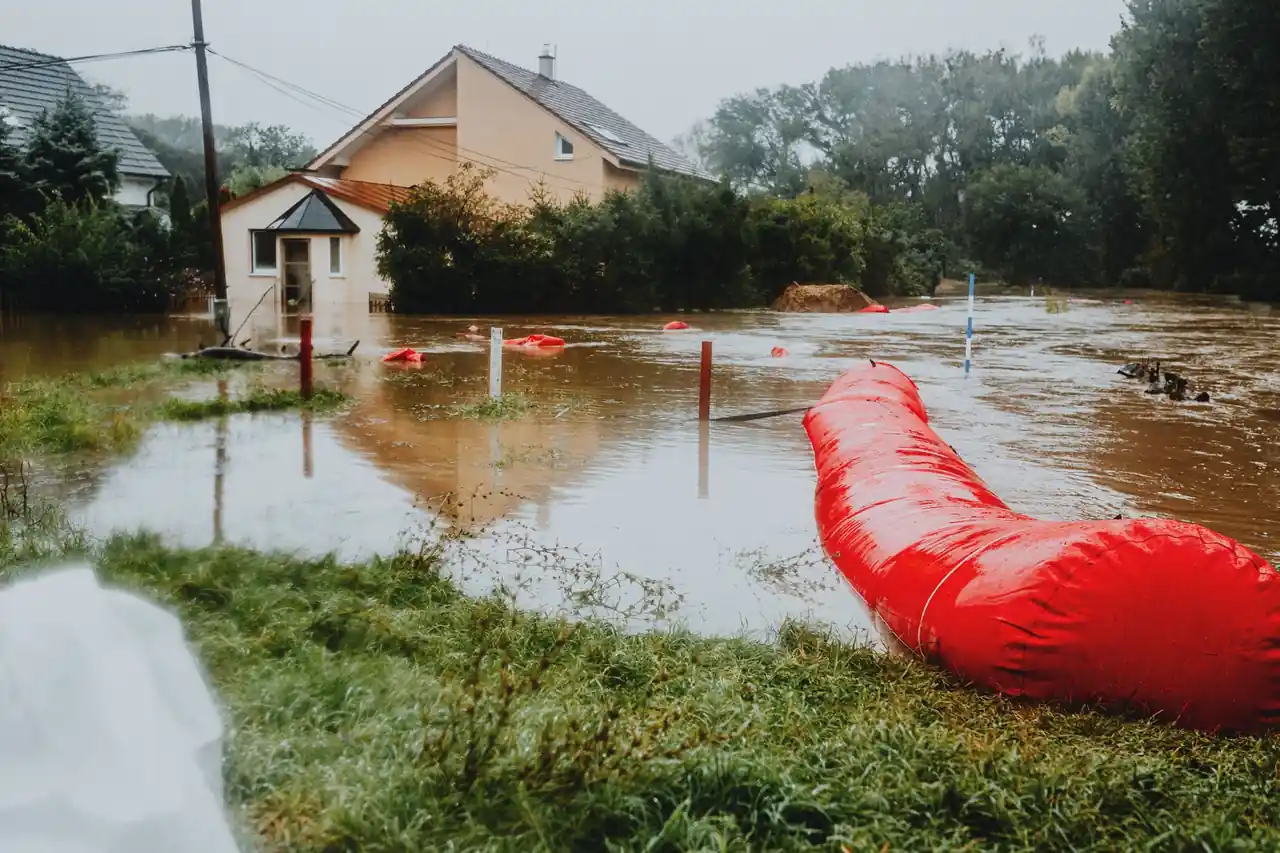
emergencywaterdamagerepair in Sagebrush starts with stopping the water and protecting the parts of your home that can still be saved. Our crew serves Sagebrush East and Sagebrush West, including homes near Sagebrush Park, and handles the full job from extraction through drying. For Sagebrush emergencywaterdamagerepair, we check hidden moisture as well as visible puddles, then explain the next practical steps.

emergencywaterdamagerepair in Sagebrush

Serving Sagebrush and nearby

  • Readings RecordedMoisture checks guide drying decisions
  • Work Area ProtectedContents moved away from wet surfaces
  • Steps ExplainedYou hear what happens next
  • Equipment CheckedAirflow placement reviewed during work

emergencywaterdamagerepair in Sagebrush

emergencywaterdamagerepair in Sagebrush is urgent water removal and drying service that limits building damage after a leak, flood, or plumbing failure. We work across Sagebrush East and Sagebrush West, where newer construction and irrigation systems create different inspection needs from one property to the next. Our crew checks the source, maps damp areas, extracts standing water, and sets drying equipment according to the materials affected.

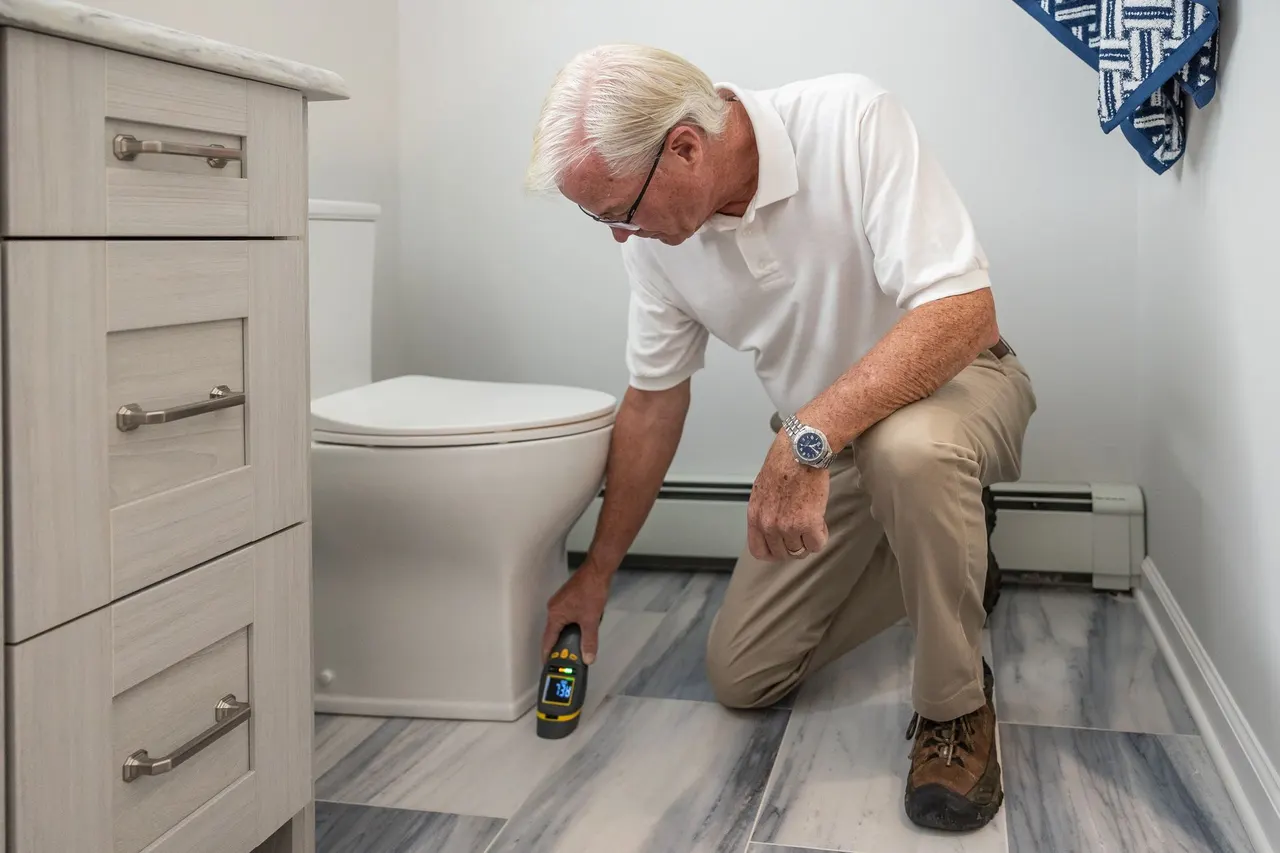
Kuna water damage restoration serves Sagebrush as part of the Kuna service area in Ada County, Idaho. If you need water damage restoration Sagebrush ID, we can inspect drywall, flooring, cabinets, and concealed spaces rather than treating only the visible stain. Our technicians use a moisture meter and thermal imaging camera to guide that assessment. Sagebrush water damage cleanup also includes practical protection for belongings and clear records of the work as it progresses.

From a burst pipe to a roof leak, the first goal is to stop ongoing damage. We then establish a drying plan, monitor readings, and adjust equipment as conditions change. Call (833) 546-4116 and tell us what happened, where the water is, and whether it is still flowing.

Sagebrush is a growing neighborhood within our Kuna service area, so residents need a crew that can recognize how newer construction, irrigation systems, and arid landscaping affect water incidents without assuming every property is built the same way. Winter cold can expose vulnerable plumbing, while seasonal storms and irrigation use bring different water-entry concerns. We respond to the problem in front of us, not a generic checklist. We serve homes around the Sagebrush community area and properties throughout ZIP code 83634. Your call gives us the details needed to prepare extraction and drying equipment for the affected rooms. We help you move from active leak or standing water to a measured cleanup plan, with attention to both the immediate mess and moisture that could remain behind.
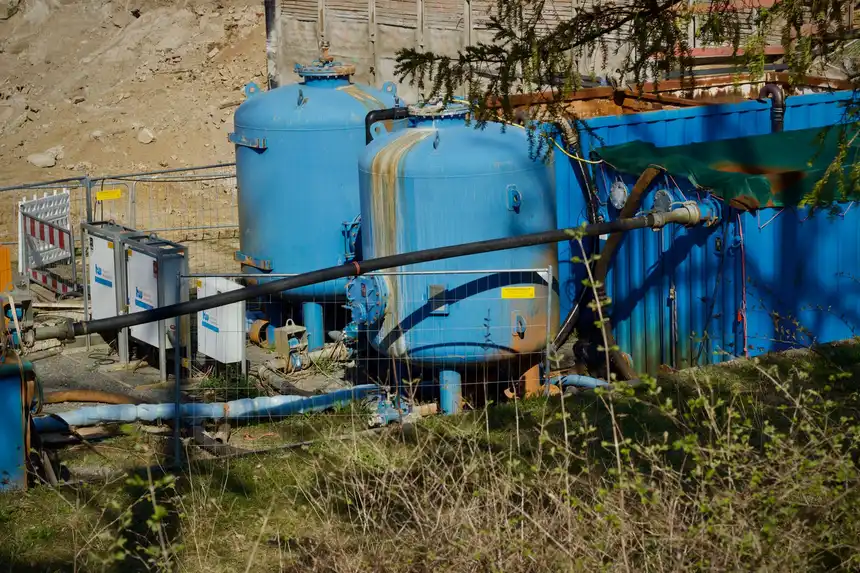
Water Damage Services in Sagebrush

Sagebrush calls range from a small supply-line leak to water across several rooms after a pipe failure. We identify the water source, remove standing water, and dry affected building materials; if the event involves sewage, we use a separate cleanup approach. For emergency water extraction near Sagebrush ID, tell us whether water is still entering and which rooms are affected. That helps our crew plan access and equipment before arrival. We serve Sagebrush East, Sagebrush West, and nearby homes in ZIP code 83634.
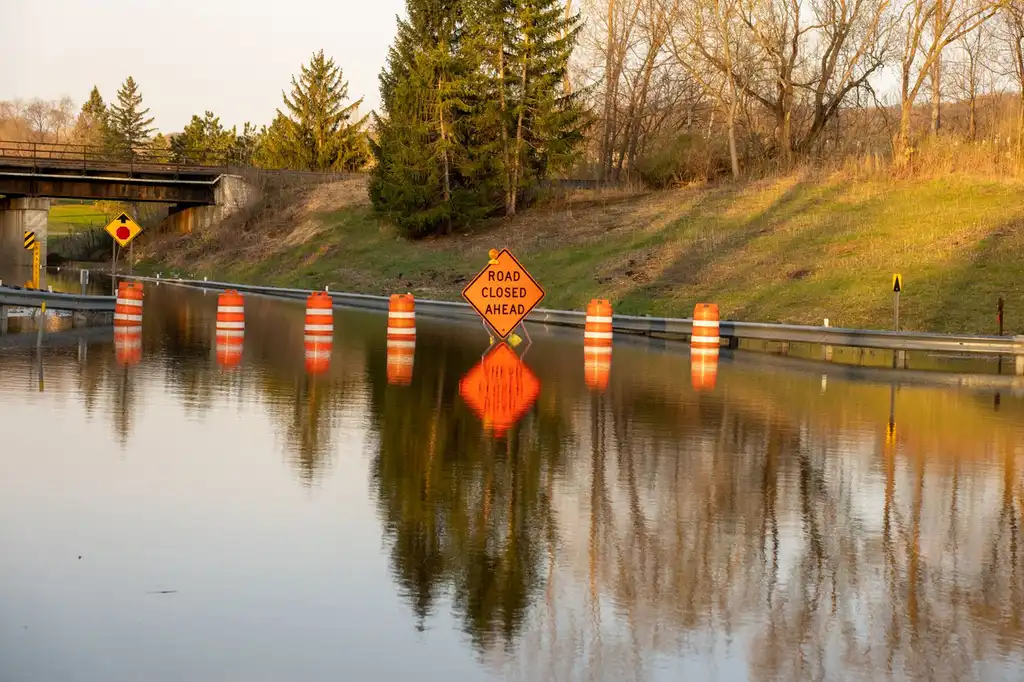
Water restoration for Sagebrush homes

Emergency restoration in Sagebrush

Emergency restoration in Sagebrush

We inspect the affected Sagebrush rooms and trace moisture beyond the visible spill. Extraction and drying are planned around the materials and access in your home. We record readings so you can follow the work.

  • Source and spread checked
  • Affected rooms protected
  • Drying progress measured
Sagebrush home restoration

Sagebrush home restoration

We help Sagebrush homeowners recover from plumbing leaks, storm entry, and water in lower-level spaces. Our inspection considers your flooring, wall finishes, belongings, and safe access.

  • Newer construction homes
  • Garage pipe leaks
  • Wet carpet and padding
  • Lower-level water intrusion
Sagebrush property cleanup

Sagebrush property cleanup

We organize water removal for Sagebrush workspaces and managed properties around access, affected materials, and operating needs. Tell us which areas must remain clear for people or equipment.

  • Small office interiors
  • Community-use spaces
  • Retail and service rooms
  • Managed rental properties

Common Water Damage Problems in Sagebrush

Sagebrush's newer construction and growing neighborhood bring a mix of plumbing layouts, flooring assemblies, and exterior water management. Arid landscaping does not prevent indoor damage: a burst pipe, irrigation-related seepage, or roof leak can leave moisture trapped in the structure. Seasonal cold creates freeze concerns, while storms test roof and drainage details. For Sagebrush water damage cleanup, we identify the source and inspect beyond the obvious stain before choosing extraction and drying steps.

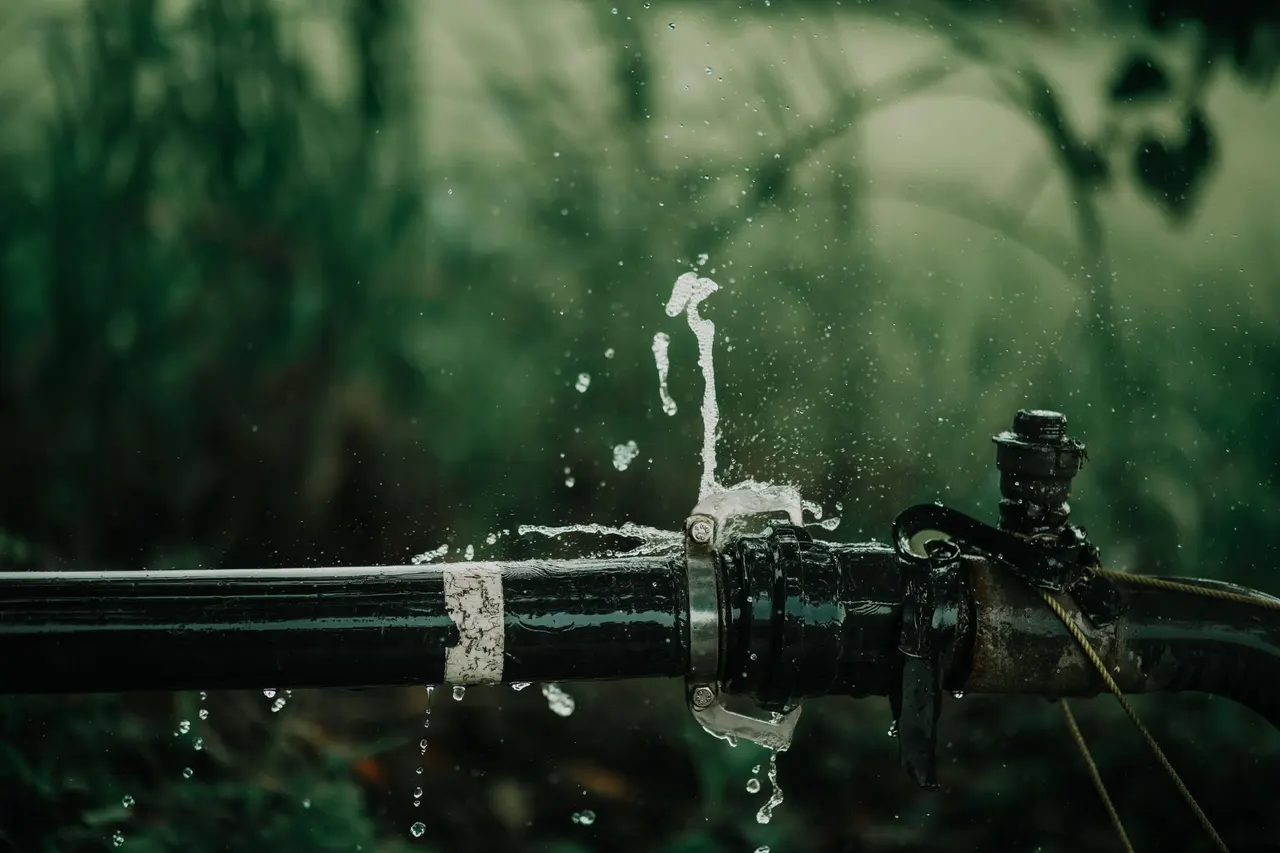
  • Frozen or burst pipes wetting garages and utility spaces

    Frozen or burst pipes wetting garages and utility spaces

    Cold winter conditions can expose plumbing in garages or other less-heated spaces to freezing temperatures. A pipe can split and release water after temperatures shift, leaving floors, walls, and stored belongings wet before the leak is discovered. We focus first on limiting the water source and removing standing water. Then we inspect adjoining rooms and wall edges, map moisture, and coordinate drying with the plumbing repair. We check the areas where water traveled rather than treating only the garage floor.

  • Irrigation or exterior seepage reaching lower-level materials

    Irrigation or exterior seepage reaching lower-level materials

    Water from irrigation or persistent exterior wetting may collect near a foundation or enter at a vulnerable seam. The indoor symptom can appear away from the actual entry point, making source identification important before interior repairs begin. We compare moisture locations with the property's reported irrigation and water history, then inspect the foundation area and interior finish. We extract and dry affected materials, and explain when drainage evaluation is a separate next step.

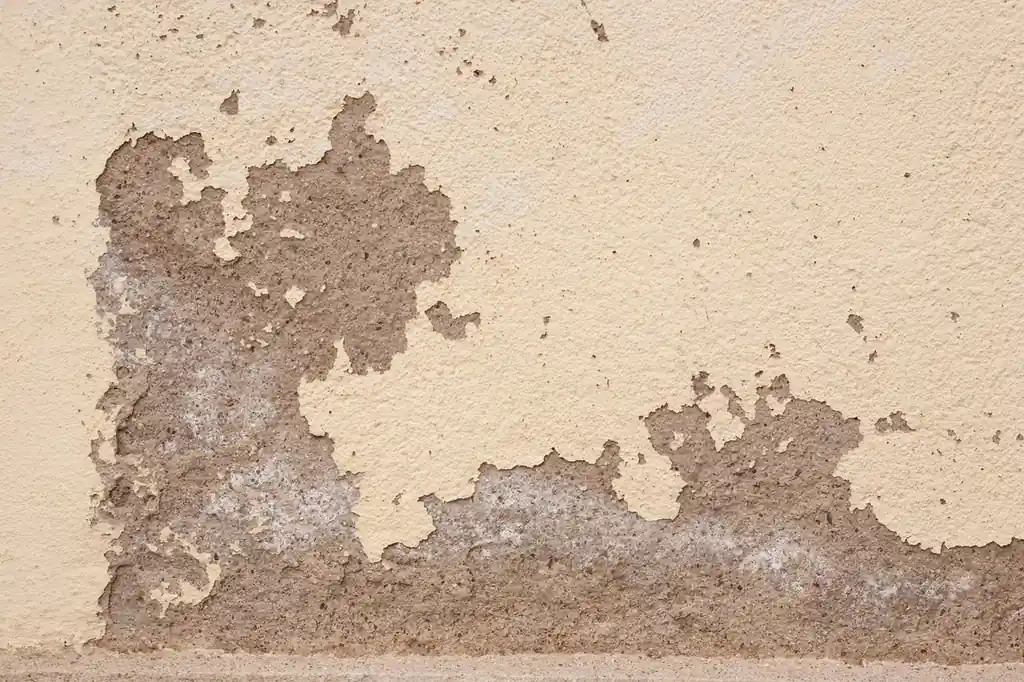
  • Roof leaks staining ceilings after seasonal storms

    Roof leaks staining ceilings after seasonal storms

    Wind-driven rain or a damaged roof detail can send water into insulation and ceiling materials. The first visible sign may be a small stain even when moisture has moved along the structure beyond that spot. We protect the room below, check the ceiling and adjacent wall, and trace the likely interior water path. Once the roof entry is controlled, we dry or remove affected materials as their condition requires and document moisture checks.

  • Sump pump or drainage problems leaving pooled water

    Sump pump or drainage problems leaving pooled water

    A sump pump failure, blocked discharge, or water entry around a lower-level perimeter can lead to standing water. Stored contents and floor materials may hide the full extent until items are moved or an odor develops. We assess the water source and safe access, remove pooled water, and check the floor perimeter and nearby materials. We coordinate pump or drainage repair as needed, then use measured drying and follow-up checks to track the affected area.

When to Call for Water Restoration

Call when water keeps spreading, a ceiling sags, flooring stays wet, or a musty odor follows a leak.

  • Water continues flowing after a pipe failure

    An active burst pipe keeps adding water to walls, floors, and cabinets until the supply is stopped. If you can safely reach the shutoff, close it and keep away from electrical hazards. Call promptly so extraction and inspection can begin before water reaches additional rooms.

  • A ceiling stain grows or begins to sag

    A spreading ceiling water stain suggests moisture is still entering or trapped above the finish. A bulging area can hold water and may fail without warning. Keep people and belongings clear, avoid puncturing the ceiling, and report whether the leak follows rain or plumbing use.

  • Carpet feels wet after surface water is gone

    Water can remain in carpet padding or beneath the flooring even when the top feels nearly dry. That trapped moisture can damage materials and create an odor. We inspect the carpet assembly and nearby floor edges to determine whether extraction and directed drying are needed.

  • Musty odor follows a leak or spill

    A musty smell can point to damp materials that were missed during initial cleanup. Check around baseboards, cabinets, and the original leak area, but do not rely on smell alone to locate moisture. A moisture inspection helps determine whether drying or additional cleanup is appropriate.

  • Sewage or dirty water enters living space

    Sewage backup or contaminated water requires prompt isolation and specialized cleanup. Keep children and pets away, avoid contact, and do not use ordinary household equipment on the affected area. Tell us what entered the space so we can plan containment and safe removal.

How Sagebrush Water Cleanup Gets Done

Sagebrush emergencywaterdamagerepair follows a measured sequence: locate the source, protect unaffected rooms, extract water, map moisture, then dry and recheck. Newer construction can conceal water behind trim or under flooring, so we inspect adjoining surfaces instead of stopping at the visible puddle. Arid outdoor conditions do not remove moisture trapped inside a wall or floor assembly.

  • Irrigation water reaching exterior walls or lower-level spaces

    Sagebrush landscaping and irrigation systems can leave exterior areas wet, but the visible source does not always explain moisture inside. Water may enter at a foundation edge or travel through a concealed route, complicating the first inspection. We trace the interior moisture pattern and ask when irrigation was last running. Our crew checks the foundation perimeter, floor edges, and nearby rooms, then separates active plumbing leaks from exterior seepage. That distinction guides extraction and helps identify whether drainage correction should follow drying.

  • Cold-weather plumbing failures in exposed or poorly heated spaces

    Freezing nights can stress pipes in garages, utility areas, and other colder parts of a home. Once a frozen pipe opens, water can spread into finishes and adjacent rooms before a resident finds the leak. We first help limit active water flow and make a safe path for inspection. We extract water, check adjoining materials, and map affected areas before setting drying equipment. We coordinate the restoration sequence around the plumbing repair so new water does not undo the drying work.

  • Hidden moisture beneath flooring after a small visible spill

    A modest puddle in a newer Sagebrush home can move beneath flooring or into carpet padding. A dry-looking surface does not confirm that the layer below is dry, and delayed detection can extend the area requiring restoration. We check multiple points across the affected floor and nearby transitions with a moisture meter. If readings indicate moisture below the surface, we adjust extraction and airflow and record the results. Rechecks show where drying is progressing and where additional attention is needed.

  • ANSI/IICRC S500 Standard for Professional Water Damage Restoration

    The S500 standard provides a framework for assessing water damage, selecting restoration procedures, and documenting drying. We use its principles to guide work in Sagebrush, including source identification, moisture monitoring, and decisions about affected materials.

  • Idaho contractor licensing requirements

    Repair tasks that fall within regulated contracting work must be handled in line with applicable Idaho requirements. We distinguish restoration and drying from plumbing or construction repairs that require the appropriate trade professional, and coordinate the work accordingly.

Sagebrush Landmarks for Routing

We use landmarks as orientation aids, not as a substitute for a complete service address. Sagebrush Park and the Sagebrush community area help residents describe their general location, while the street address tells our crew where to unload extraction equipment. If gates, narrow access, or a preferred entrance affect arrival, include those details when you call. For service in Sagebrush, the ZIP code 83634 helps distinguish the neighborhood from other Kuna-area destinations.

  • Sagebrush Park

    Sagebrush Park is a named local orientation point. Referencing it can help explain the general part of Sagebrush where a property is located, but the service address remains necessary for routing.

  • Sagebrush community area

    The Sagebrush community area provides a neighborhood-level reference for residents describing a location. Pair that reference with the street address and any access instructions so the crew can identify the correct property.

  • Sagebrush East

    Sagebrush East is a named section of the service area that helps residents describe their general location. Our crew still uses the exact address to plan entry and equipment unloading.

Sagebrush Areas We Cover

Our Sagebrush service area includes the named neighborhood sections Sagebrush East and Sagebrush West, along with nearby homes addressed through the Sagebrush community area. We use the location details you provide to route the crew and plan equipment access. Share your nearest cross street or recognizable landmark, the ZIP code, and whether water is still flowing when you call.

  • Sagebrush East
  • Sagebrush West
  • Sagebrush community area
  • Sagebrush Park area

How Water Restoration Work Proceeds

  • Sagebrush East

    Before

    A supply-line leak spreads water through a Sagebrush kitchen and into the adjoining room, dampening carpet padding and baseboards.

    After

    We stop the active water source with the appropriate plumbing coordination, extract pooled water, and inspect the kitchen and adjoining floor. We check the baseboards and carpet padding for moisture, then position air movers and dehumidification where readings show a need. Follow-up measurements guide adjustments rather than leaving equipment on a fixed schedule. The affected footprint is mapped room by room, with drying progress tracked through repeat readings. The homeowner receives a clear record of areas checked and the remaining repair steps.

  • Sagebrush West

    Before

    A winter pipe failure in a garage sends water beneath nearby storage and toward an interior wall in a Sagebrush home.

    After

    We help limit additional water, move accessible contents out of the work path, and extract the garage floor. Our inspection follows the water toward the wall and checks adjoining finishes for hidden moisture. We coordinate drying with the plumbing repair and recheck the same marked locations to confirm progress. Water is removed from the accessible floor, and the wall and nearby materials are assessed rather than assumed dry. A documented drying plan identifies what needs continued monitoring.

  • Sagebrush community area

    Before

    A roof leak leaves a ceiling stain and damp insulation after a storm, with water reaching a room below in the Sagebrush community area.

    After

    We protect the room, identify the interior water path, and check the ceiling and surrounding wall for spread. After the roof opening is addressed, we remove affected wet materials as appropriate and dry the surrounding structure. Moisture readings at follow-up help determine when the affected area is ready for repair. The visible stain is connected to a broader inspection of the ceiling assembly. The next repair steps are based on recorded moisture conditions rather than the stain alone.

Sagebrush Customer Feedback

4.8

  • A washing machine hose leaked while we were away and water reached the hallway carpet. The crew extracted the water, checked the floor edges, and explained why the padding needed attention. They kept the walkway usable and showed us the moisture readings before setting the drying equipment. We appreciated getting a clear list of what would happen next.
    Megan R.Sagebrush East
  • We found a ceiling stain after a storm and were worried the leak had spread into the wall. The team inspected around the mark, checked the nearby room, and explained what the readings showed. They protected the furniture and came back to check drying progress. The process was direct, and we knew which repairs needed to follow.
    Daniel P.Sagebrush West
  • Our lower-level floor had water near the sump area. The crew removed the standing water, checked the perimeter, and helped us understand where moisture remained. They also talked through the pump issue and the order of work. Having the affected spots measured made it easier to see what was dry and what still needed monitoring.
    Lori S.Sagebrush community area

Sagebrush Water Damage by Season

  • Spring

    Spring weather can bring periods of rain and renewed irrigation use. Watch lower-level walls, floor edges, and exterior-facing rooms for dampness after wet conditions. A small recurring patch deserves attention because repeated wetting can keep materials from drying fully. Check irrigation lines and visible drainage before regular watering begins. If you find water indoors, note when it appeared and shut off the relevant supply when safe.

  • Summer

    Summer irrigation and occasional storms can expose drainage or roof-entry issues. Water may run toward foundations or enter through a damaged roof detail, while warm indoor conditions can make odors more noticeable around damp materials. Look for water at foundation edges after watering and inspect ceilings after storms. Report the source and room locations so our inspection can follow the likely path.

  • Fall

    Fall is a practical time to notice roof leaks, gutter problems, and exterior water paths before colder weather arrives. A ceiling stain or damp baseboard that appears after rain should be checked before a winter freeze complicates plumbing concerns. Clear leaves from gutters and check visible downspout discharge. If a leak appears, move belongings away and document the affected area without delaying water removal.

  • Winter

    Winter brings the clearest freeze-related risk for pipes in garages and less-heated spaces. A frozen pipe may leak as it thaws, sending water into drywall, cabinets, and flooring. A sump pump problem can also become urgent when water collects indoors. Know where your main shutoff is and keep access clear. If a pipe breaks, shut off water only when safe, avoid electrical hazards, and call for extraction and inspection.

Questions to Ask Before Hiring

A strong restoration contractor in Sagebrush can explain the work sequence without hiding behind jargon. Ask how the crew will find the water source, what they measure, and how they decide when drying is complete. You should also know who handles plumbing or reconstruction work if the job crosses into another trade. A clear answer helps you compare the plan with the damage in your home, not just compare a machine count or a quick verbal promise.

  • How will you check for moisture beyond the visible stain?

    The answer should describe checking nearby materials and recording readings, not simply looking at the surface. Water can move behind baseboards or under flooring. A contractor who can explain how the inspection follows the moisture path is more likely to identify the real work area.

  • What happens first if water is still entering my home?

    You need a practical sequence that prioritizes stopping the source, safety, and extraction. The contractor should ask what is affected and whether electricity is involved. A vague answer can leave you unsure what to do during an active leak.

  • How do you decide when drying is complete?

    Look for repeat moisture checks and comparisons over time rather than a fixed number of days. Materials dry at different rates. A clear monitoring method helps you understand why equipment stays in place and what readings support the next repair step.

  • Who handles plumbing repairs and restoration work?

    Water extraction and structural drying are not the same task as every plumbing repair. A direct answer clarifies how the source will be stopped and how restoration follows. It also helps prevent equipment from drying an area while the leak remains active.

  • Will you explain the price before the work proceeds?

    You should understand the planned work and its cost before restoration begins. Ask what the price covers and how newly discovered damage is handled. Clear communication helps you make decisions about extraction, material removal, and follow-up repairs.

Sagebrush emergencywaterdamagerepair FAQs

Still wondering? (833) 546-4116

Local service team

Call for emergencywaterdamagerepair in Sagebrush

Water spreading through a Sagebrush home needs action before it reaches more flooring, drywall, or belongings. Call Kuna water damage restoration at (833) 546-4116 and tell us what happened, where the water is, and whether it is still flowing. Our team serves Sagebrush in Ada County, Idaho, and can guide the first steps while planning extraction and moisture checks. Call now to request service.

Contact the Kuna Team

Call (833) 546-4116 when water reaches your home or business in Kuna, Idaho. Tell us whether the source is still active, which rooms are affected, and when the damage began; that helps direct the next steps. Calls are accepted at any hour for emergency inquiries, and service coverage includes Kuna, ID, with ZIP codes 83634 and 83642.

Thanks. Your request is in and the team will follow up shortly.