Emergencywaterdamagerepair in Bridgetower Homes

When a pipe bursts or water crosses your floor, emergencywaterdamagerepair in Bridgetower starts with stopping the source and removing standing water. Our Kuna water damage restoration team serves Bridgetower Loop and Bridgetower Crossing, including homes in ZIP code 83634. We map moisture before opening walls, protect unaffected rooms, and explain the next step in plain language. Bridgetower emergencywaterdamagerepair is available for sudden leaks, storm intrusion, and indoor flooding.

emergencywaterdamagerepair in Bridgetower

Serving Bridgetower homes

  • Readings RecordedMoisture checks guide drying decisions
  • Work Area ProtectedContents moved away from wet surfaces
  • Steps ExplainedYou hear what happens next
  • Equipment CheckedAirflow placement reviewed during work

emergencywaterdamagerepair in Bridgetower, Done Right

emergencywaterdamagerepair in Bridgetower is a water mitigation service that removes unwanted water, limits material damage, and begins controlled drying after a sudden leak or flood. That is the work we do when a supply line lets go, a roof leak reaches a ceiling, or a sump pump stops during a wet spell. We serve houses around Bridgetower Loop and Bridgetower Crossing, where newer construction and compact lot sizes call for careful access planning and protection of neighboring surfaces.

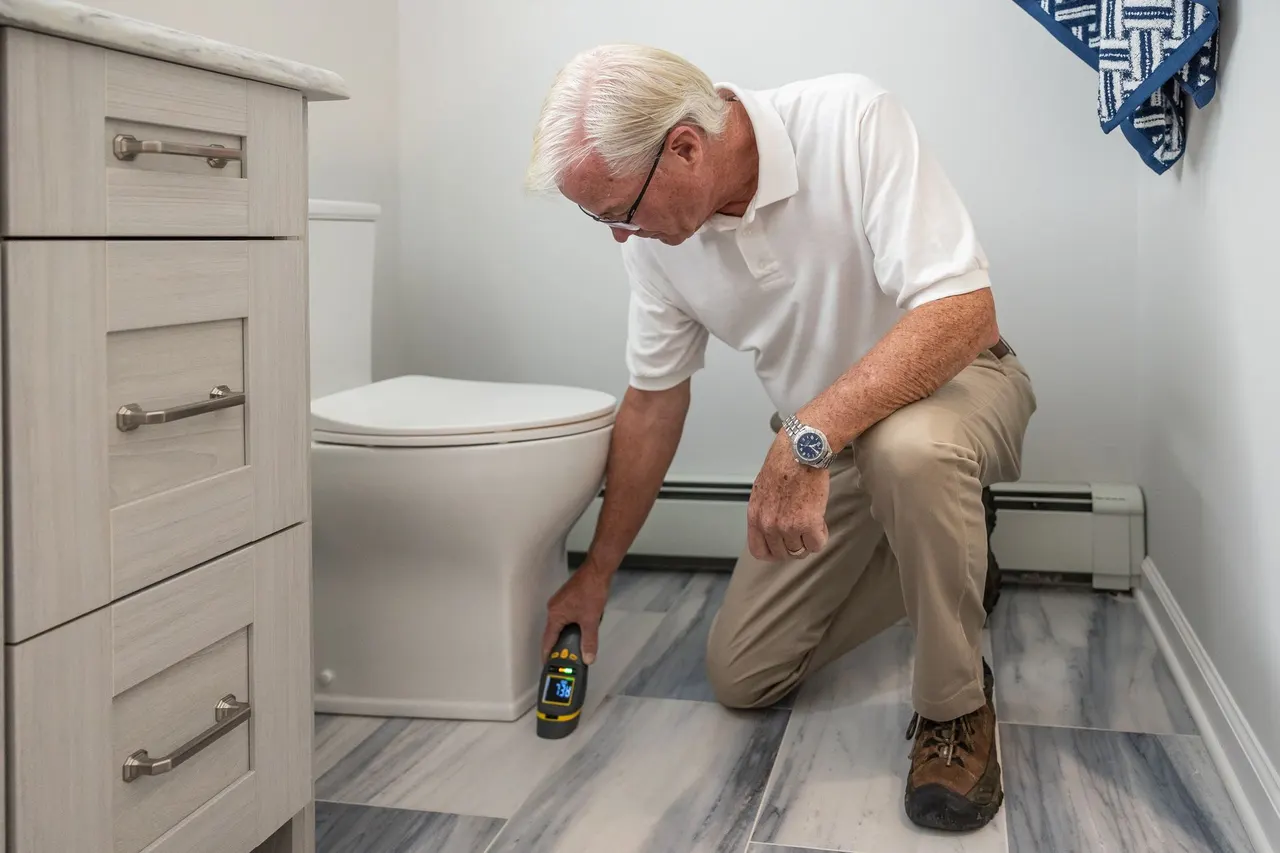
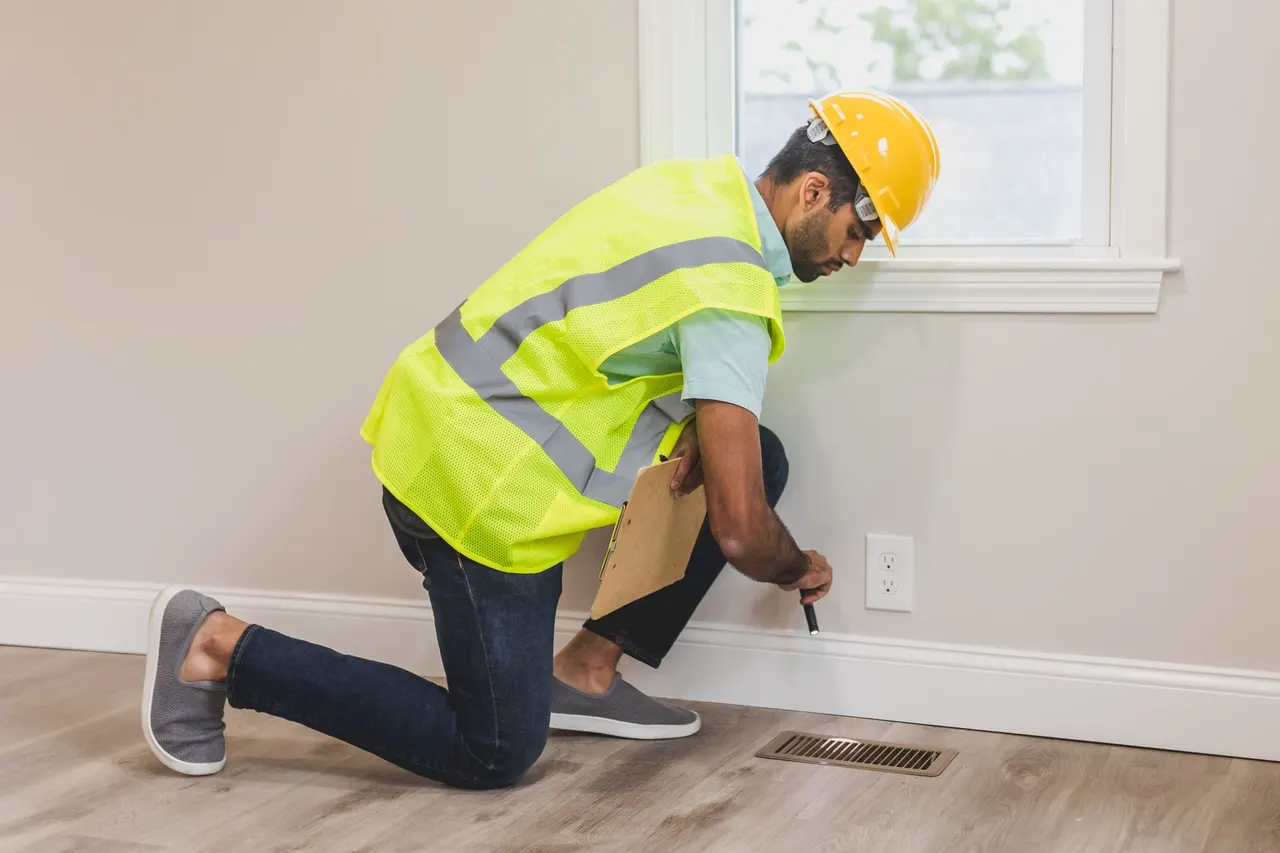
Our first visit focuses on the water source, affected rooms, and materials at risk. We use a moisture meter and thermal imaging camera to trace damp areas beyond what you can see, then place extraction and drying equipment according to measured conditions. For water damage restoration Bridgetower ID homeowners need clear records and a practical drying plan, not a row of machines with no explanation. We document affected areas, identify what can be dried in place, and coordinate repair steps after the structure reaches its drying targets. Call us for emergencywaterdamagerepair near Bridgetower when water is actively spreading or hidden moisture is appearing.

Bridgetower has a strong mix of newer construction homes, family households, and closely spaced lots. A leak in one room can affect flooring, baseboards, insulation, and the room below before it becomes obvious, so quick extraction and moisture checks matter. We serve the community as part of our Kuna-area work in Ada County, and we plan routes with the neighborhood's internal streets and access points in mind. Young families often need a clear sequence: stop the leak, keep children away from wet electrical areas, remove water, and make rooms usable again. We explain those steps while protecting furniture and unaffected flooring. Our work is focused on the building conditions we find, not assumptions based on a neighborhood name.
Emergency Water Services in Bridgetower

Bridgetower homes need a response that separates clean supply-line water from contaminated or storm-driven water, because the cleanup method changes with the source. Our service starts by stopping or isolating the flow, extracting standing water, and checking adjacent rooms for migration. For a call seeking emergencywaterextraction near Bridgetower ID, we bring equipment sized to the affected area and explain what needs immediate attention. New construction does not prevent leaks; appliance connections, plumbing joints, and roof penetrations still need prompt inspection. We also coordinate drying and repairs so your household knows what happens after the first visit.

Water services around Bridgetower

Emergency restoration in Bridgetower

Emergency restoration in Bridgetower

We locate the water source, protect dry rooms, and check connected spaces in Bridgetower homes. Our crew removes standing water before choosing drying equipment. You see the affected areas and readings that guide each next step.

  • Trace the leak source
  • Protect nearby rooms
  • Record moisture readings
For Bridgetower homes

For Bridgetower homes

We help Bridgetower households address leaks, storm intrusion, and water on finished floors. Our checks focus on the source, affected materials, and the safest route through your home.
  • New construction homes
  • Compact family floor plans
  • Finished lower-level rooms
  • Homes near Bridgetower Loop
For nearby businesses

For nearby businesses

We coordinate water cleanup for properties serving the wider Kuna area. We document affected rooms and contents, then plan access to limit interruption while drying proceeds.

  • Small office interiors
  • Retail and service spaces
  • Shared building corridors
  • Storage and records rooms

Common Bridgetower Water Emergencies

Bridgetower's newer homes still depend on plumbing connections, roof details, working pumps, and drainage that directs water away from the structure. Winter freezes can stress exposed or poorly protected lines, while spring and summer irrigation runoff can reveal low spots around a home. Close lot spacing makes it important to trace the actual source rather than assume a neighbor's drainage is involved. Bridgetower water damage cleanup starts with water category and material checks, then follows a documented drying plan. We look for secondary moisture in adjoining rooms because water often travels farther than its first visible stain.
  • Frozen or burst supply lines during a prolonged cold snap

    Frozen or burst supply lines during a prolonged cold snap

    During winter cold, a vulnerable pipe in an exterior wall, garage, or unheated area can freeze and split. Water may continue flowing after temperatures rise, soaking insulation and drywall before a stain appears. A fast shutoff and inspection limit the spread. We help identify the affected supply area, remove standing water, and map moisture in surrounding finishes. We dry or remove materials according to readings and coordinate the repair needed to restore the pipe. Before leaving, we explain safe steps for protecting nearby plumbing during cold weather.

  • Irrigation runoff or storm water reaching a lower wall

    Irrigation runoff or storm water reaching a lower wall

    Water that collects beside a home can enter at a foundation edge, utility opening, or low point. Seasonal irrigation and heavy rain reveal drainage weaknesses, but the exact entry route must be inspected at the property rather than assumed from the neighborhood. We extract interior water, inspect the affected wall and floor, and check visible drainage conditions. If the source continues, we discuss suitable repairs such as gutter correction, pump service, or a drainage improvement. Drying continues only after the active water path is controlled.

  • Appliance hose or fitting leaks spreading under finished flooring

    Appliance hose or fitting leaks spreading under finished flooring

    A loose or failed dishwasher, refrigerator, or washing-machine connection can release water into a cabinet base or across a floor. Water slips beneath flooring and baseboards, especially when the leak goes unnoticed for several hours. We stop the flow, extract surface water, and inspect edges and adjoining rooms with moisture detection. We document flooring readings and determine whether drying in place is practical. If removal is needed, we limit work to materials that are wet or no longer sound.

  • Sump pump failure leaving standing water in a lower-level room

    Sump pump failure leaving standing water in a lower-level room

    A failed pump, obstructed discharge, or power interruption can let water accumulate in a sump or lower-level area. Stored items and finished flooring can absorb water while the problem remains unnoticed, particularly when the space is not used daily. We remove water, assess affected materials, and inspect the pump and pit condition. We check the discharge route and discuss repair or replacement where needed. After the water source is addressed, we dry the area and record follow-up readings.

When to Call for Water Damage Repair

Call when water keeps spreading, a ceiling sags, or flooring stays wet after extraction.

  • Water continues flowing after the fixture is off

    A supply line, appliance connection, or hidden pipe may still be feeding the leak. Shut off the nearest safe valve or the main supply, then call for help. If the water is near an outlet, panel, or appliance, do not step into it; have the area assessed before power is restored.

  • Ceiling paint bubbles or begins to sag

    A bulge can hold water above the ceiling and may release suddenly. Keep people and furniture clear of the area and do not press or puncture it. We trace the source, protect the room below, and determine whether the ceiling assembly needs controlled opening.

  • Floorboards cup or carpet stays wet

    Cupped hardwood or wet carpet edges indicate moisture has moved beyond the visible spill. Carpet padding and wood flooring can hold water after surface extraction. Prompt inspection helps establish how far it traveled and whether targeted drying or material removal is needed.

  • Musty odor follows a leak or backup

    A persistent odor can point to damp porous materials or residue in a concealed area. After sewage backup, avoid contact and keep the affected room closed off. We locate the source, assess the materials, and clean or remove what cannot be safely restored.

  • Water gathers at the foundation or lower level

    Pooling near a foundation, crawl space, or basement can signal seepage, runoff, or a failed sump pump. Move valuables out of standing water only if the area is safe. We extract water and inspect drainage and pump conditions before recommending further work.

How We Handle Bridgetower Water Emergencies

Bridgetower emergencywaterdamagerepair begins with a phone check: where water is visible, whether the source is active, and whether power or sewage is involved. We plan access around compact lot sizes and ask which entrance gives the safest route for extraction equipment. At the home, we isolate the source when possible, photograph affected areas, and take baseline moisture readings before moving contents. We use a hygrometer to track room humidity and place air movers and a dehumidifier according to the materials being dried.

  • Compact lot sizes require careful equipment access and staging.

    Closely spaced homes and limited driveway space can make it harder to place extraction equipment without blocking household access. In an emergency, a clear route from the entry to the wet room helps us work efficiently and keeps hoses, cords, and removed materials organized. Before arrival, we ask which entrance is usable and where water is concentrated. We stage only the equipment needed for the first pass, protect traffic paths, and keep the work area controlled. If a vehicle or walkway must remain clear, we plan hose routing and equipment placement around that need.

  • New construction homes still hide moisture behind finished surfaces.

    Newer finishes can look intact while water travels below flooring or into a wall cavity. A small appliance leak can reach insulation or baseboards before a stain appears, and quick cosmetic drying alone may leave moisture behind. We compare moisture readings across the affected room and adjacent dry areas, then use thermal imaging to guide targeted checks. We explain why a material needs monitoring or selective opening before taking that step. The goal is to dry the assembly without removing sound finishes unnecessarily.

  • Irrigation runoff or seasonal storms can collect near foundations.

    Water entering at a low point can wet stored items and lower wall finishes before the household notices. The source may be exterior runoff, plumbing, or a failed pump, so the cleanup plan depends on finding the path rather than treating every event as a simple spill. We remove standing water, inspect the perimeter and sump equipment, and document visible entry points. Where water keeps returning, we discuss drainage corrections such as a suitable french drain pipe or pump repair. Interior drying and source control are handled as connected steps.

  • ANSI/IICRC S500 water damage restoration standard

    The S500 standard informs assessment, water categorization, extraction, and structural drying practices. We use its framework to guide work decisions, record affected materials, and communicate drying progress. The actual plan still depends on the water source and conditions found inside your Bridgetower property.

  • EPA Lead-Safe work practices where applicable

    If repair work disturbs painted surfaces in a building subject to lead-safe requirements, work practices must account for that risk. We identify the need before disruptive repairs and keep mitigation separate from finish work that may require additional controls.

Landmarks That Help Us Navigate

Bridgetower community park and the pedestrian bridge are familiar orientation points when customers describe a home or give directions. We use them to narrow the location, then confirm the street address and best entrance before unloading equipment. Neighborhood references help with navigation only; the water source and damage pattern are determined at the property. Our service area includes Bridgetower addresses in ZIP code 83634, with dispatch coordinated from the broader Kuna area.

  • Bridgetower community park

    The community park is a recognizable local reference for locating nearby Bridgetower streets. A caller can use it to describe general direction, but the full street address remains necessary for accurate routing and service access.

  • Pedestrian bridge

    The pedestrian bridge offers another practical orientation point within the community. It can help distinguish nearby routes during a phone call, while the exact home entrance and affected room guide the work plan.

  • Bridgetower Loop

    Bridgetower Loop is a neighborhood street reference that helps identify the part of the community where a customer needs service. We use the street name for navigation and confirm the address before arriving.

  • Kuna Town Center

    Kuna Town Center is a named local service-area destination outside the Bridgetower residential streets. Its businesses and community services form part of the wider Kuna area our team serves.

  • Downtown Kuna

    Downtown Kuna is a nearby town-center reference in the broader service region. It provides a clear regional point for customers coordinating service between Bridgetower and other Kuna neighborhoods.

  • Meridian Road

    Meridian Road is a useful regional route reference for reaching the Kuna area. We confirm the final neighborhood entrance and address with the customer before traveling to a Bridgetower property.

  • Kuna Road

    Kuna Road connects local trips across the Kuna service area. It helps orient regional access, while internal Bridgetower directions are confirmed directly with the homeowner.

Bridgetower Neighborhood Coverage

We serve homes throughout Bridgetower, including the streets around Bridgetower Loop and Bridgetower Crossing. The community's compact layout makes it useful to know the correct entrance and the affected room before unloading equipment. If you call from ZIP code 83634, tell us whether water is on an upper floor, in a lower level, or near an exterior wall. That detail helps us bring the right extraction and inspection tools.

  • Bridgetower Loop
  • Bridgetower Crossing
  • Bridgetower community park area
  • Pedestrian bridge area

Bridgetower Water Damage Work Examples

  • Bridgetower Loop

    Before

    A supply hose leak left water across a family home's kitchen floor and dampened the adjoining baseboards before the shutoff was reached.

    After

    We isolated the affected area, extracted visible water, and checked the cabinet edges and adjacent flooring with a moisture meter. We moved lightweight contents away from the wet path and set air movers to circulate air across the floor. Follow-up readings guided equipment adjustments rather than relying on a fixed run time. The initial extraction and inspection covered 2 rooms. Drying equipment was checked over 3 visits, and the affected floor readings returned to the dry comparison range before repair planning.

  • Bridgetower Crossing

    Before

    A ceiling stain appeared after rain, with damp drywall near an upper-level roof penetration and water marks on the room below.

    After

    We protected the furniture, checked the ceiling and adjoining wall, and documented moisture before opening any finish. After the roof entry was controlled, we dried the affected assembly and monitored the ceiling and wall readings. The homeowner received a clear sequence for interior repair after drying. Two connected areas were inspected, and moisture checks were recorded at 4 locations. Drying continued until readings stabilized, limiting unnecessary removal of unaffected ceiling material.

  • Bridgetower community park area

    Before

    A sump pump failure allowed water to collect in a lower-level storage area, wetting several boxes and the edge of finished flooring.

    After

    We removed standing water, separated wet contents from dry belongings, and checked the floor perimeter and sump pit. A dehumidifier and directed airflow supported drying while the pump issue was assessed. We recorded which items needed cleaning and which materials required further inspection. Water was extracted from 1 lower-level area, and 3 material groups were assessed: stored contents, flooring, and wall edges. Follow-up checks tracked the drying progress and pump condition.

Bridgetower Customer Feedback

4.9

  • A washing-machine hose came loose while we were out, and water had reached the hall by the time we got home. The crew explained what they were checking, pulled water from the carpet, and showed us readings near the baseboards. They kept one path open for the kids and told us what to expect at the next drying check.
    Megan R.Bridgetower Loop
  • We noticed a ceiling stain after a storm and called before it spread. The team traced the damp area, protected the furniture, and explained why the roof opening needed attention before the ceiling repair. They checked the nearby wall too, which had no visible mark but showed elevated moisture.
    Daniel P.Bridgetower Crossing
  • Our lower-level room had water after the pump stopped working. The crew removed the pooled water, checked the floor edges, and separated the boxes that could be cleaned from the ones that were too wet. We appreciated the straightforward explanation of the equipment and the follow-up readings.
    Sara L.Bridgetower

Bridgetower Water Risks by Season

  • Spring

    As irrigation resumes and weather shifts, Bridgetower homeowners may notice water collecting near foundation edges or entering a lower-level room. Check sump operation and look for dampness after rain. Water stains that return after drying deserve a source inspection. Test the sump pump with a controlled water check and keep discharge routes clear. If runoff reaches the home, photograph the location and call before covering the area or moving wet materials.

  • Summer

    Summer storms can push rain through roof details or overwhelm clogged gutters. Appliance leaks also happen year-round and can spread quickly across finished floors. Check ceilings after heavy rain and look below refrigerators, dishwashers, and laundry connections. Clear visible gutter debris safely and confirm downspouts carry water away from the structure. If a ceiling begins to sag, keep the room empty and call for an inspection.

  • Fall

    Falling temperatures make this a useful time to inspect hose connections, exterior plumbing areas, and gutters. Leaves can restrict roof drainage before winter rain or snow. Addressing small leaks now reduces the chance of finding wet drywall during a cold spell. Disconnect and protect seasonal hoses as appropriate, check for dripping fixtures, and locate the main water shutoff. Arrange gutter work before debris blocks the drainage path.

  • Winter

    Freezing weather can split a vulnerable pipe, with water appearing after the line thaws. Roof leaks and ice-related drainage problems can also leave ceiling stains. A frozen pipe or active leak needs prompt attention, especially near electrical equipment. Keep vulnerable rooms warm and open cabinet doors where plumbing needs heat circulation. If a pipe leaks, shut off water if safe, avoid wet electrical areas, and call for extraction and inspection.

Questions to Ask a Bridgetower Restoration Crew

A good water damage crew can explain what happens first, what equipment is needed, and how drying progress will be measured. Ask how the team distinguishes visible damage from moisture behind flooring or drywall. In Bridgetower, also ask whether they will protect walkways in a compact home and document affected rooms for your records. Clear answers matter more than a sales pitch. You should know who is handling extraction, how follow-up checks work, and what event would require changing the plan.

  • How will you find water behind the baseboards?

    The answer should describe moisture readings and a method for checking adjoining areas, not just a visual inspection. A crew that compares affected materials with dry reference points can explain where moisture is present and why a wall or floor needs monitoring.

  • What will you do before placing drying equipment?

    The crew should identify the source, remove standing water, protect contents, and assess the materials first. Equipment placement without those steps can leave the cause active or direct airflow where it will not help. Ask how the team will keep pathways usable.

  • How often will you check moisture readings?

    Drying equipment needs follow-up checks to show whether materials are responding. Ask how readings are recorded and what would cause a change in equipment or removal plan. A clear answer ties the schedule to the affected structure and observed progress.

  • Can you explain what my insurance adjuster will need?

    The contractor should be able to document the water source, affected rooms, visible damage, and work performed. That information helps you discuss the loss with your insurer. Coverage decisions remain policy-specific, but organized photos and records make the conversation more useful.

  • Who handles sewage or contaminated water cleanup?

    Contaminated water requires different protective procedures, cleanup, and disposal than a clean supply-line leak. The answer should show that the crew recognizes the distinction, restricts access, and will not treat sewage as an ordinary drying job.

Bridgetower emergencywaterdamagerepair FAQs

Still wondering? (833) 546-4116

Local service team

Call for emergencywaterdamagerepair in Bridgetower

If water is spreading through a Bridgetower home, call Kuna water damage restoration at (833) 546-4116. Tell us what failed, where water is visible, and whether you can safely shut off the source. We will guide the first safe step and arrange the response for your address. Our team serves Bridgetower in Ada County and documents moisture conditions as work progresses.

Contact the Kuna Team

Call (833) 546-4116 when water reaches your home or business in Kuna, Idaho. Tell us whether the source is still active, which rooms are affected, and when the damage began; that helps direct the next steps. Calls are accepted at any hour for emergency inquiries, and service coverage includes Kuna, ID, with ZIP codes 83634 and 83642.

Thanks. Your request is in and the team will follow up shortly.