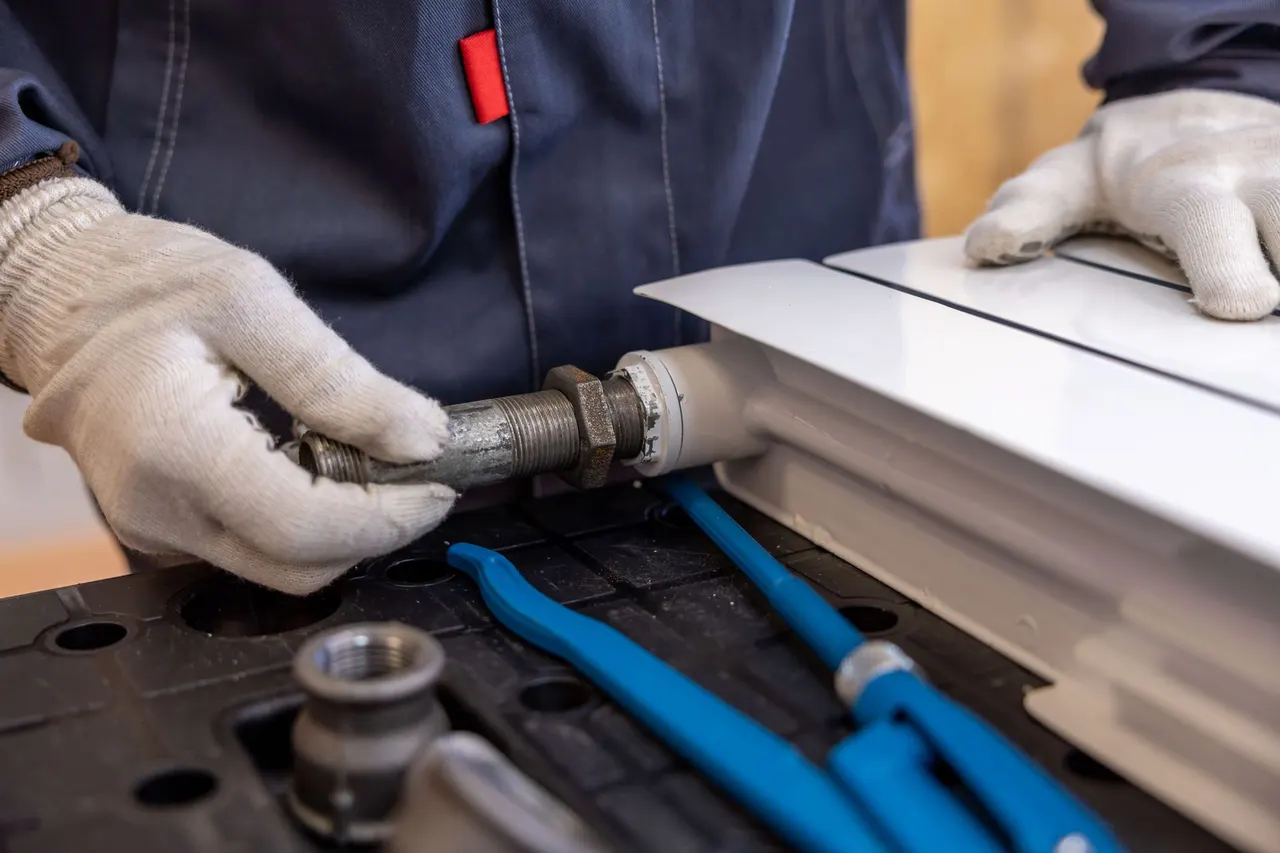
Sorted batches
Records grouped and labeled by condition or owner.
When a pipe bursts or a roof leaks, document drying kuna ID gives you a way to protect wet files before pages bond, ink runs, or mold develops. Our team helps homeowners, offices, and property managers sort, stabilize, and dry affected records while the water damage is addressed. Call (833) 546-4116 to discuss urgent files, family papers, business records, and what to move first.
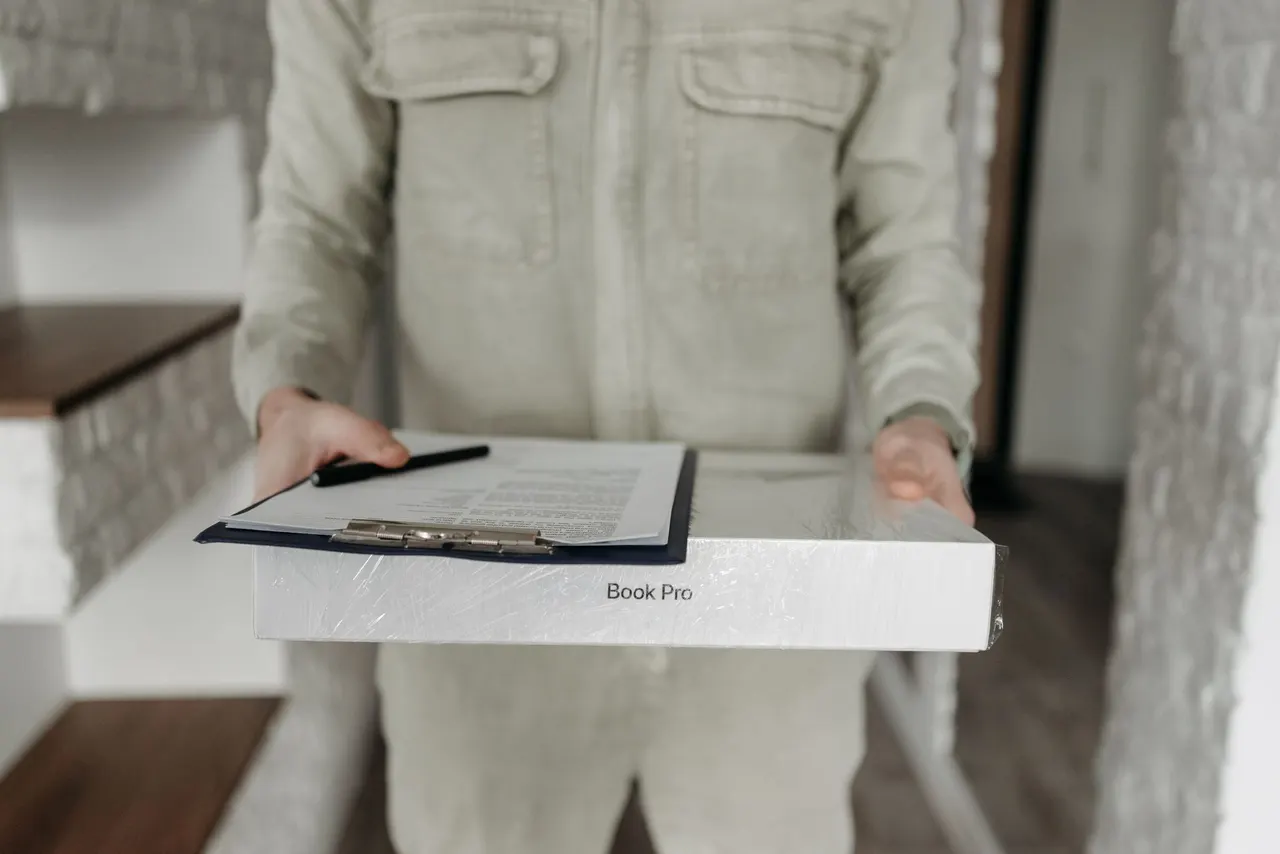
Document drying covers initial sorting, stabilization, suitable drying, condition checks, and organized return of the treated batches. We discuss the water source and your priorities before handling starts. Building repairs, structural drying, specialty conservation, and replacement scanning are separate needs; we can coordinate related water services, but each material receives the treatment it requires.
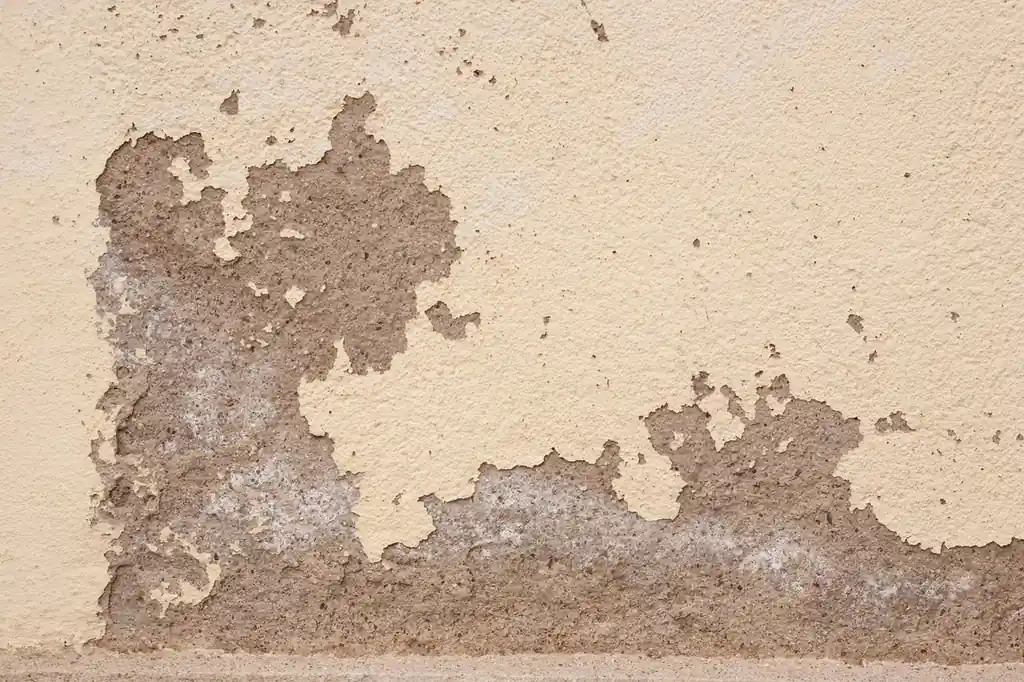
Wet invoices, personnel files, and archive boxes can interrupt daily work and complicate recovery. We help property managers and business owners identify priority records and keep batches organized during treatment.
Document drying kuna ID is a contents recovery service that stabilizes and dries wet paper records after water intrusion. We first separate wet, damp, and unaffected materials, then identify paper type, ink behavior, contamination, and urgency. Depending on the condition and volume, our team uses controlled air movement, dehumidification, interleaving, or freezing before freeze-drying. A moisture meter and hygrometer help us track the surrounding environment, while each box or batch is labeled so pages stay associated with the right file. The aim is legible, handleable records, not a promise that every item returns to its original condition.
In Kuna, records are often affected alongside building materials after a burst pipe, frozen pipe, roof leak, or sump pump failure. A wet basement file cabinet needs a different response from a few damp albums upstairs, especially if sewage or other contamination is involved. Our paper drying kuna work begins with fast triage: move dry files away, keep wet paper supported, and avoid heat or direct sun. If you searched for paper drying in kuna Idaho, tell us what got wet, how long it has been exposed, and whether the water was clean or contaminated.
Kuna document drying services follow a clear sequence from triage to return. The first visit focuses on safety, water source, and sorting; the drying period depends on quantity, paper type, and the chosen method. We explain what happens at each handoff and keep your priority files identifiable.
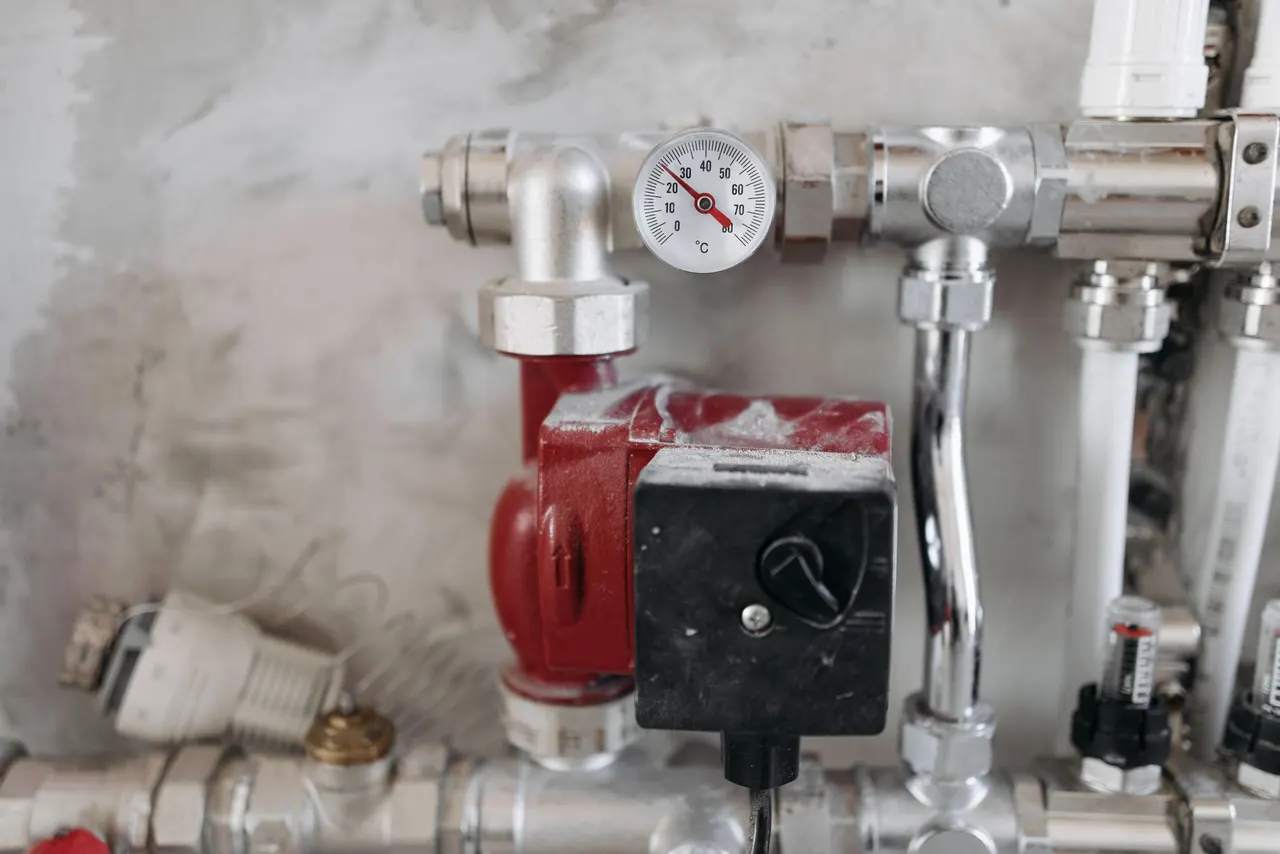
We ask what happened, when the records got wet, and whether the water came from a clean supply, a roof leak, or a sewage backup. On arrival, we check access, contamination concerns, and the affected room. This first review often takes 30 to 90 minutes for a small residential loss, giving you an immediate plan for urgent materials.
Our team separates dry files from damp and saturated items, then groups records by box, folder, or owner. We photograph or note visible damage and mark priority batches such as identification, contracts, or active business files. You can point out confidential or irreplaceable materials before any transport or treatment begins.

We keep saturated documents supported and avoid pulling apart sheets that are already sticking. Depending on the volume and material, we use careful packing, interleaving, or freezing to slow deterioration before full drying. A wet bundle left in a warm room can develop odor and microbial growth, so stabilization should start promptly.
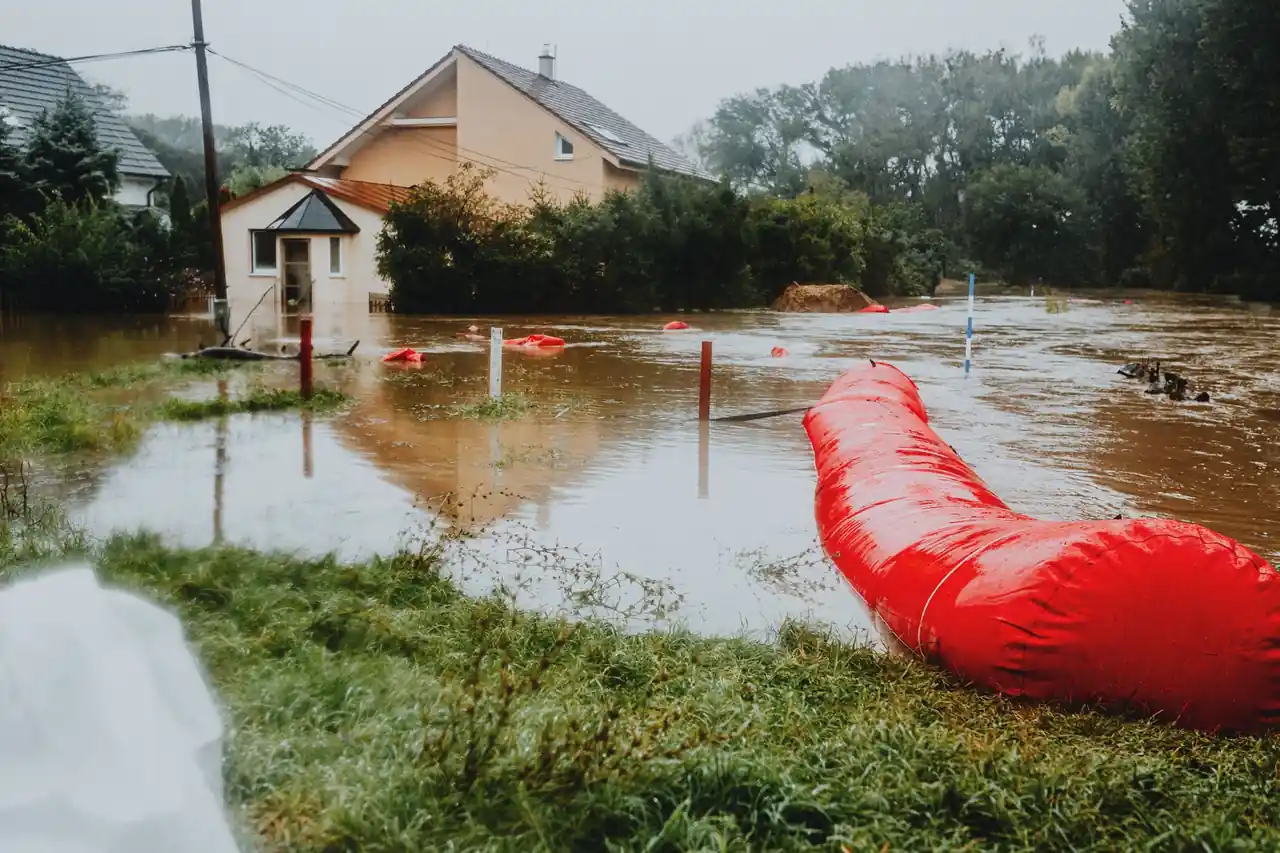
Treatment uses a controlled environment suited to the paper and ink, with air movement and humidity monitoring where appropriate. Small batches may dry in hours; larger collections or frozen material can require several days or longer. We check condition between stages instead of applying high heat, which can distort paper or set stains.
Once batches are dry enough to handle, we check for remaining dampness, sticking, odor, and visible changes, then organize them for return. You receive the grouped records and practical handling guidance for storage. If the room itself remains wet, we coordinate the return with structural drying rather than placing papers back into a damp space.

Measures relative humidity around staged documents and the affected room, helping us track whether the drying environment is changing in a useful direction.
Checks moisture conditions in nearby building materials and storage surfaces so records are not returned beside damp walls, floors, or cabinets.
Supports controlled room drying by removing moisture from the air; it is positioned for the building, not aimed directly at loose pages.
Provides professional water-damage drying equipment used in the surrounding structure response while document batches receive separate, material-appropriate treatment.
Separates suitable paper layers during handling and drying, helping reduce page contact where condition and ink stability allow.
We group records by owner, location, and moisture condition before treatment. Priority files are marked separately, and batch labels stay with the materials through drying and return. This reduces mixing and gives you a practical way to locate the files you need first.
For suitable documents, we use supported placement and controlled airflow rather than high heat or direct sun. We monitor humidity and inspect the paper as it dries, adjusting handling if sheets begin to curl, stick, or show ink movement. Not every saturated bundle is a candidate.
When a large volume of saturated records cannot be dried immediately, freezing can help stabilize the material while a later treatment is arranged. Freeze-drying removes ice under controlled conditions and is not the right choice for every paper type. We assess the collection and explain the route before proceeding.
We assess whether the water source is stopped, move dry files away from the work area, and sort affected folders by saturation. Wet pages stay supported while the building response handles extraction and drying. Tell us which records you need first so those batches can be marked for priority handling. Your files stay grouped and the most urgent records are identified early, while the room is dried separately before anything returns to storage.
We check for continuing entry and safe access, then separate damp albums and loose papers from unaffected items. Materials are assessed individually because photo surfaces, ink, and paper respond differently. We coordinate interior drying and advise you not to force stuck album pages apart. Recoverable items receive a suitable treatment, and unaffected keepsakes remain protected from additional water and handling.
We identify the water condition, label each box, and separate current operational records from long-term archives. The affected room is assessed for moisture and contamination while documents are stabilized. If the water is dirty, we isolate those materials and explain what can be responsibly handled. Staff can identify priority records and understand which boxes are under treatment, reducing confusion during business recovery.
We inspect the room and affected cabinet contents, then move dry files away from damp flooring and walls. Moisture mapping helps locate hidden wet areas, while document batches are sorted and treated separately. We coordinate the contents work with leak repair and structural drying. Records are not returned to a damp cabinet, and the leak path is addressed before the office is put back into regular use.
Document drying in Kuna starts with the water source and the storage location. Winter freezes can lead to burst pipes in garages, utility rooms, and exterior walls; spring rain can expose roof leaks or foundation seepage. During hotter, dry periods, a closed wet box can still hold moisture inside its center, so the calendar alone does not tell us whether paper is safe. We ask whether water is still entering, whether the records sat on carpet or concrete, and whether the loss involved a sump pump or sewage backup. For paper drying kuna, we separate document treatment from building drying and coordinate both so papers do not return to damp rooms. If you are looking for same day document drying kuna ID, call with the approximate box count and the condition of the water; we can guide safe first steps and arrange triage. We serve homes and businesses across Ada County, including ZIP codes 83634 and 83642, and adapt access and handling to the property. Our local approach avoids assuming every loss is clean water or every paper batch can be restored.
A supply line leaked into a Kuna home office overnight. Three file boxes were wet at the bottom, folders had softened, and several pages were beginning to adhere. The homeowners had already moved unaffected papers but did not know whether to separate the damp sheets or leave them together.
We separated dry and wet folders, labeled each batch, and stabilized the most saturated records before controlled drying. The room was dried as a separate workstream, and the family received the files grouped by box. Many pages remained readable; visibly stained sheets were identified rather than presented as unchanged.
Store paper records on shelving at least 6 inches above the floor and away from supply lines. Keep a current list of critical files so the first recovery batch can be identified quickly.
Rain entered through a roof leak above an office storage area, soaking two archive boxes and several binders. The manager needed active invoice records for operations, but the folders were mixed with older files and the ceiling remained damp.
We marked current records as priority, separated binders from loose paper, and kept all batches labeled during treatment. The roof and room response proceeded alongside document stabilization. After several days of monitored drying, the files were returned in organized groups, with damaged pages clearly identified.
Keep current operational records in a separate, elevated cabinet and avoid storing archive boxes directly below known roof leak paths. Recheck the ceiling and storage area after heavy rain.
A failed sump pump left water across the basement floor and reached the bottom of stored family albums and tax records. The cardboard boxes had begun to soften, and the owners were concerned that pulling out the albums would tear wet pages.
We assessed water exposure, supported the albums, and separated unaffected papers from saturated materials. The basement was cleared and dried while document batches received appropriate treatment. The owners recovered organized records and albums, with a few items noted for further conservation review.
Keep albums and records on raised shelving, inspect the sump area seasonally, and avoid returning paper storage until the basement has been checked for residual moisture and odor.
A box of wet paperwork can become a solid block, lose its order, or develop odor as moisture remains trapped between pages. Our team assesses the source and condition, then protects what can be handled safely. For water damaged document restoration near me kuna ID searches, prompt triage and honest limits matter more than aggressive heat.
We support the wet material, separate only what can be handled safely, and stabilize the remaining bundle for an appropriate drying method. We keep each folder identified and check for page bonding as treatment progresses. If ink is unstable or the pages are unusually valuable, we explain the need for specialist conservation. As pages dry in contact, ink can transfer and sheets can tear when separated, turning a recoverable bundle into loose, incomplete records.
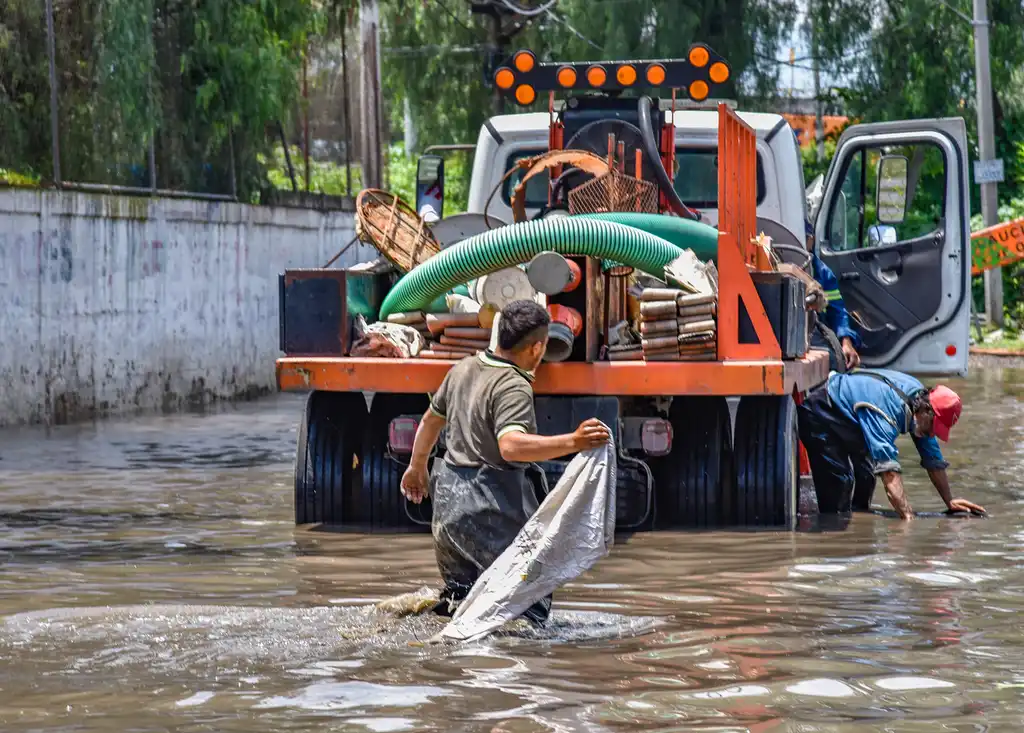
We check both the outer box and representative contents, separate unaffected material, and prioritize saturated records. Water removal and basement drying address the room while documents receive controlled handling. We also help you keep returned files off the floor until the storage area is dry. Water can wick upward through cardboard and paper, reaching records above the visible waterline and leaving dampness trapped in the box center.
We first identify safe access and move records away from the active drip zone when possible. The roof leak response and interior drying proceed alongside document stabilization, with priority files marked for prompt handling. You get a sequence that protects contents without ignoring the source of the water. New drips can re-wet already sorted documents, spread stains, and make an unstable ceiling or wet shelving unsafe to access.
We isolate the affected records and determine whether handling, specialist review, or disposal is the practical path. The cleanup team addresses the contaminated area separately, keeping exposed materials out of clean rooms. We explain the limitations plainly and help protect unaffected documents from cross-contamination. Contaminated water changes handling requirements and can make ordinary drying unsuitable, particularly for porous pages that cannot be cleaned reliably.
We separate manageable batches before pages dry together, using clean supports and interleaving where appropriate. For files soaked by a leak, that early handling can preserve page order and reduce tearing during later review. You tell us which records are urgent, and we mark those batches for priority processing rather than mixing them into general contents.
Each affected box or bundle is identified before treatment, so documents do not become an anonymous stack after drying. We note visible condition, group related materials, and keep labels connected to the batch. That practical chain of handling helps your household or office return files to the right cabinet, department, or owner.
Not every wet paper item should receive the same treatment. We assess paper weight, coatings, ink, binding, and contamination before choosing air drying, controlled dehumidification, or freeze drying documents kuna. The method follows the material and its condition, helping avoid needless heat exposure or rushed handling.
Records are often wet while carpet padding, drywall, or baseboards are also absorbing water. We coordinate document handling with the building response so boxes are moved out of affected rooms and structural drying can proceed. You get one practical sequence: stop the source, protect contents, dry the space, and return records when conditions are suitable.
Clear records you can keep and share.
Records grouped and labeled by condition or owner.
Clear notes on treatment progress and visible changes.
Practical storage steps after the room is dry.
Drying removes moisture, but it cannot reverse every stain, ink transfer, or deformation. Your outcome depends on the water source, paper, ink, and exposure time.
Some inks run when wet, while others remain stable. We assess representative pages before choosing how to separate and dry a batch.
Sewage or floodwater changes what handling is appropriate. We isolate exposed records and explain realistic treatment or disposal options.
Dry documents should not return to a damp room or floor-level box. We coordinate return with checks of the surrounding space.
Outside these neighborhoods? Call and ask about service for your address. (833) 546-4116
Kuna water damage restoration handles wet-record triage and document drying coordination for homes and businesses in Kuna, Idaho. We assess the water source, sort records by condition, and select a suitable stabilization and drying method. For rare books, artwork, or highly valuable archival material, we identify when a paper conservator is the better fit. Call (833) 546-4116 with the type of records, approximate quantity, and whether the water was clean or contaminated.
For typical 2026 pricing, small document-drying jobs often fall around $250-$900, while large or specialized collections can cost $1,000-$5,000 or more. Price depends on volume, contamination, handling labor, freezing or freeze-drying needs, packing, and transport. We explain the price before work proceeds and separate urgent priority batches from lower-priority storage files. Photos and a rough box count help us understand the scope.
Many water-damaged documents can be stabilized and dried, but recovery is not guaranteed and some ink, coatings, or contaminated paper may be permanently altered. Keep wet pages supported, do not pull stuck sheets apart, and avoid heat, hair dryers, or direct sunlight. Our team assesses the material and exposure, then explains the practical options. Clean supply-line water usually presents a different recovery challenge from sewage or floodwater.
A small batch may take 24-72 hours to stabilize and dry, while large collections or freeze-drying can take several days to a few weeks. The timeline depends on saturation, paper type, ink, binding, contamination, and how quickly the records were protected. We check batches through treatment and keep urgent records identifiable. The building may need its own drying period before documents can safely return.
Wet records should be supported and separated from dry files, not heated or pulled apart. Call (833) 546-4116 and tell us what got wet, when it happened, and whether the water was clean or contaminated. We will help you set the next recovery step.
Call (833) 546-4116 when water reaches your home or business in Kuna, Idaho. Tell us whether the source is still active, which rooms are affected, and when the damage began; that helps direct the next steps. Calls are accepted at any hour for emergency inquiries, and service coverage includes Kuna, ID, with ZIP codes 83634 and 83642.