Dehumidification kuna ID for Faster Structural Drying
Our dehumidification kuna ID service removes moisture left behind after a burst pipe, roof leak, or flood, protecting your home or business from ongoing damage. We inspect affected materials, set commercial-grade equipment, and track drying rather than relying on touch alone. For a contained room or a larger loss, our team explains whether kuna dehumidification services or equipment rental fits the work, then keeps you informed as readings change.
- Moisture assessment
- Equipment setup
- Progress monitoring
- Readings RecordedMoisture checks guide drying decisions
- Work Area ProtectedContents moved away from wet surfaces
- Steps ExplainedYou hear what happens next
- Equipment CheckedAirflow placement reviewed during work
What Kuna dehumidification includes
Our dehumidification work includes an inspection of affected rooms, moisture readings, equipment selection, placement, and progress checks. We explain what the measurements show and when the structure is ready for equipment removal. Water extraction, leak repair, material replacement, mold remediation, and specialty contents treatment are separate services when the conditions call for them; we identify those needs and discuss the next step with you.
- Moisture assessmentWe inspect visible damage and measure affected materials, including flooring edges, baseboards, and accessible wall surfaces. When the wet footprint is unclear, we check adjoining areas rather than limiting the assessment to the stain. The readings guide the drying layout and provide a starting point for later comparison.
- Equipment setupWe select dehumidifier capacity and air mover placement based on room size, wet materials, and access. We explain drainage, electrical needs, expected sound, and the space equipment occupies. A setup for one bathroom differs from a multi-room loss with wet flooring and wall cavities.
- Progress monitoringWe revisit the drying area and record readings, commonly at intervals near 24 hours during active work. If moisture stalls, we adjust airflow or equipment position and check whether a concealed wet area needs attention. You receive a plain update on progress and remaining work.
- Drying verificationBefore equipment is removed, we compare affected readings with appropriate dry reference points and project targets. We do not use appearance alone to decide that a structure is dry. If readings remain high in a material, we explain the options and coordinate the next restoration step.
How dehumidification kuna ID works
dehumidification kuna ID is a structural drying service that removes excess moisture from indoor air and building materials after water intrusion. We first stop or isolate the water source, extract standing water, and measure affected areas with a moisture meter and hygrometer. Then we select equipment capacity and placement based on the room volume, material type, and readings. Air movement brings moisture out of flooring, framing, and wall cavities; a dehumidifier collects that moisture from the air. We log readings over the job, reposition equipment as needed, and verify that drying targets are met before removal.
Kuna homes and commercial spaces face wet materials after frozen pipes, slab leaks, roof leaks, sewage backups, and crawl space flooding. Winter cold can freeze exposed plumbing, while spring runoff and intense storms can push water toward foundations or low areas. Our team checks drywall, hardwood flooring, carpet padding, and concealed cavities instead of treating a damp surface as the whole problem. If you are searching dehumidification kuna ID near me, we can assess the affected rooms and determine whether water damage dehumidification kuna Idaho is needed alongside extraction or repairs.
What happens during drying
Our dehumidification kuna ID process moves from water control to documented dry-out, with a practical update at every stage. The duration depends on how far water traveled, the materials involved, and the room conditions; many residential projects take several days. We keep pathways usable where possible and tell you what equipment needs access.
Inspect and map
We start by asking where water came from and when you first noticed it, then inspect affected rooms and adjoining areas. A moisture meter identifies wet building materials; a thermal imaging camera can help locate temperature patterns that warrant direct checks. This first visit often takes 30 to 90 minutes, depending on access and the number of rooms.
Extract standing water
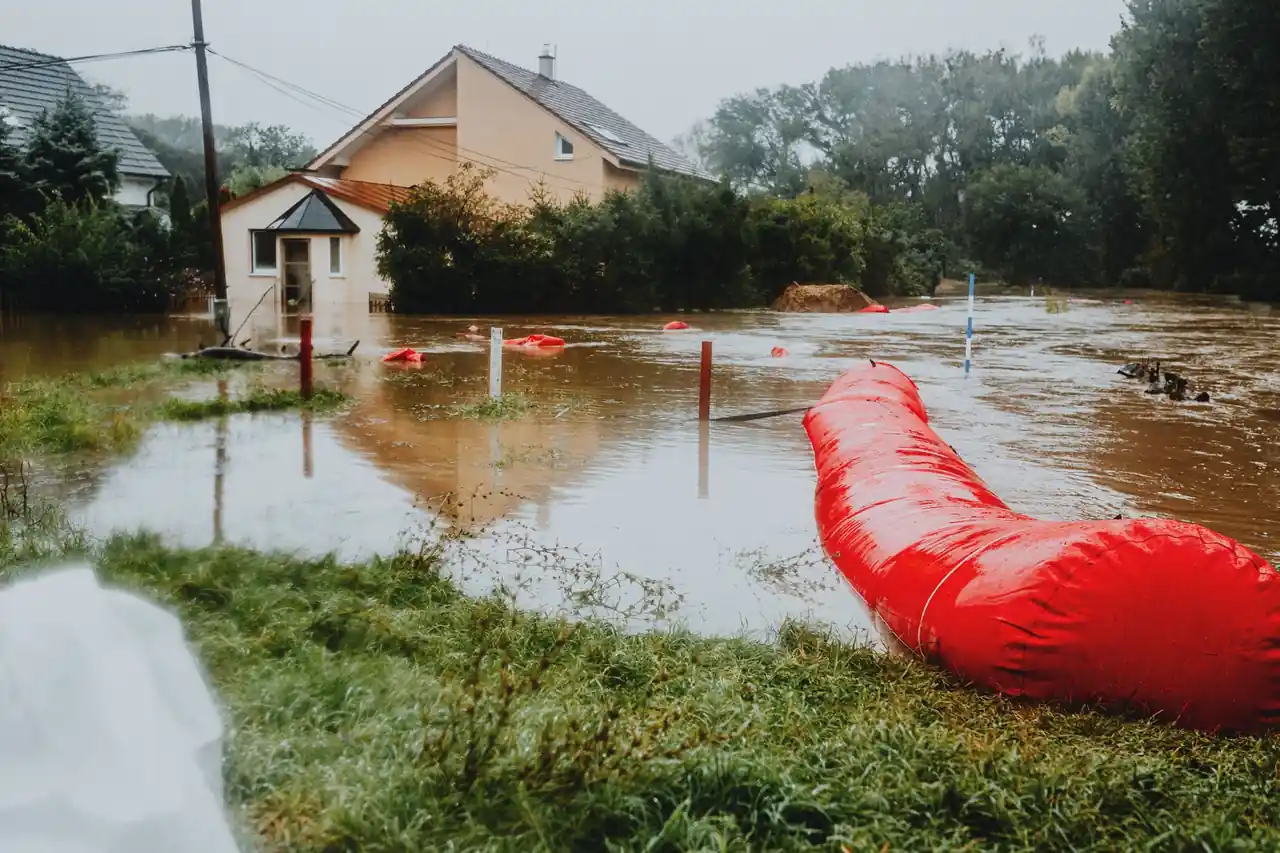
If water remains on the floor, we remove it before dehumidification. A water extraction unit handles pooled water, while wet carpet or padding may need separate treatment. We protect unaffected contents and identify the likely source, such as a burst pipe or roof leak, so drying equipment is not asked to solve an active leak.
Set drying equipment
We place dehumidifiers and air movers according to room dimensions, wet materials, and airflow paths. Equipment is arranged to avoid blocking essential exits and to keep cords organized. You receive an explanation of normal operating sound, heat, drainage, and access needs. For larger losses, we establish separate zones so dry areas are not treated like wet ones.
Check readings daily
Our technicians return to measure key materials and indoor humidity, often every 24 hours during active drying. We adjust equipment if readings stall or if airflow needs to reach a different surface. You can expect the drying period to run about 2 to 7 days for many jobs, with longer timelines for dense materials or hidden cavities.
Verify and remove
We compare final readings with unaffected reference materials and the project drying targets before removing equipment. If a wall cavity or flooring layer remains wet, we address it rather than calling the room dry based on appearance. We review the results with you, note any repair needs, and leave the space ready for the next restoration step.
Drying tools and methods
Moisture meter
We take repeatable readings from drywall, trim, and flooring to locate wet materials and track drying progress.
Hygrometer
We monitor indoor humidity and temperature, helping us judge whether the room conditions support continued drying.
Air mover
We direct airflow across wet surfaces so moisture can leave materials and be collected by dehumidification equipment.
Dri-Eaz dehumidifier
We use appropriately sized restoration equipment to remove moisture from the air during structural drying.
Thermal imaging camera
We identify temperature patterns that may indicate areas for closer moisture checks; direct measurement confirms the finding.
ANSI/IICRC S500-informed drying
We use water-damage restoration principles to assess the loss, control the source, remove excess water, and dry affected materials. The plan changes with water category, material construction, and measured conditions. This keeps equipment decisions tied to the actual loss instead of a fixed number of machines per room.
Moisture mapping and comparison
We record readings at selected locations and compare them with unaffected reference materials. A map helps us see whether moisture is shrinking, staying in place, or appearing in an adjoining area. We use that information to reposition equipment or investigate a concealed wet section.

Controlled airflow and humidity
Air movers direct air over wet surfaces while dehumidifiers reduce moisture in the room air. We position equipment to reach the materials that need drying, maintain safe pathways, and manage drainage. The setup is adjusted as readings fall so airflow continues to serve the wet areas.
When to use dehumidification
A frozen pipe opens overnight in a Kuna home and water reaches two bedrooms.
We stop the water source, extract pooled water, and check carpet, padding, baseboards, and wall edges. Our team establishes drying zones and places air movers with dehumidification equipment. Readings guide daily adjustments, so the setup follows the wet footprint rather than treating the entire home alike. You get a documented drying plan for the rooms affected, with equipment removed after target readings are reached and remaining repairs identified.
A spring storm sends runoff toward a low-level room near Indian Creek.
We inspect the entry point, remove water, and determine whether foundation seepage or another path caused the intrusion. After the source is addressed, we dry suitable wall and floor materials and monitor the basement humidity. If a drainage issue is present, we explain the related repair service. The basement moves from pooled water and damp surfaces to measured dry-out, with the water entry issue separated from interior drying.
A roof leak leaves ceiling water stains in a Kuna Town Center business.
We check the ceiling and adjoining materials, coordinate stopping further roof entry, and protect the area below. Our team positions drying equipment to preserve safe access for staff and customers where possible. We record readings and explain when ceiling repair can follow the drying stage. The business receives a practical sequence for drying and repair, reducing unnecessary disruption while wet materials are monitored.
A washing machine hose leaks into a home in Arbor Ridge while the family is away.
We map water spread beyond the laundry room, check nearby flooring and baseboards, and extract any remaining water. We set a focused equipment layout and return to compare moisture readings. If water reached a wall cavity or carpet padding, we address it instead of relying on a dry-looking surface. You know which materials dried in place, which need repair, and when the affected rooms are ready for normal use.
How Kuna drying work is planned
Kuna properties range from newer subdivisions to established homes and commercial spaces, so we plan each dehumidification setup around construction and access rather than assuming every room dries alike. Winter cold raises the risk of frozen pipes in exposed areas; spring storms and runoff can test low-lying foundations, crawl spaces, and sump systems. Our team serves Ada County, including ZIP code 83634, and checks whether a leak is still active before equipment is set. For water damage dehumidification kuna Idaho, we measure the affected materials, map adjoining rooms, and account for the floor assembly, insulation, and drainage. ZIP code 83642 is also within our service area. We follow appropriate restoration practices, protect safe walkways, and coordinate drying with source repairs. If the loss involves sewage or suspected mold growth, we address the contamination concern separately instead of treating it as ordinary moisture. You receive updates grounded in readings and a clear handoff to repair when the structure is ready.
- Crimson PointWe check room-to-room moisture spread after plumbing leaks, including flooring edges and baseboards beyond the visibly wet area.
- Indian CreekFor lower-level water entry, we inspect floor transitions and wall bases, then plan airflow around stored contents and access.
- Ten MileWhen a roof or exterior leak affects multiple rooms, we map adjoining spaces before selecting equipment zones.
- Downtown KunaFor occupied business spaces, we place equipment with customer pathways and operating areas in mind.
- Winter freezes increase the chance of exposed plumbing breaksA pipe leak can release water into wall cavities before it becomes visible. We identify the affected rooms, stop the source, and check adjacent materials so drying covers the actual spread rather than just the first wet spot.
- Storm runoff can collect near lower-level foundationsWater entering a basement or crawl space can affect flooring, lower drywall, and stored items. We remove standing water first, then measure materials and coordinate source control so dehumidification is not undermined by continued seepage.
From problem to finished result.
Laundry leak across two rooms
BeforeA hose leak left water on the laundry floor and tracked into an adjoining room. The carpet surface felt only slightly damp, but the baseboard and padding were wet. The family had shut off the appliance but could not tell whether water reached the wall cavity or subfloor.
AfterWe extracted remaining water, mapped the wet edges, and installed a dehumidifier with air movers. Over 4 days, recorded readings fell toward the project targets at the carpet edge and baseboard. We verified the affected materials before equipment removal and identified the limited repairs still needed.
Check supply hoses for cracking and confirm connections after moving the washer. If a new damp patch appears, shut off the source and report where it began rather than covering it with a rug.
Basement water after pump failure
BeforeWater covered part of a basement floor after the sump pump stopped. Stored boxes sat near damp lower walls, and the room had a stale odor. Visible water was removed with a household wet vacuum, but the wall edges and floor joints remained wet.
AfterWe removed residual water, checked the lower wall areas, and set drying equipment in the basement. Daily readings over 5 days showed moisture declining at the monitored points. The family arranged pump service while we verified the drying progress and explained which stored items needed separate attention.
Test the sump system according to its manufacturer instructions and keep the discharge route clear. Move storage off basement floors so a future leak is visible and items are easier to protect.
Roof leak above a business office
BeforeA roof leak left a ceiling stain and damp insulation over one office. Staff placed a bucket under the drip, but the ceiling cavity stayed wet after the rain ended. They needed to keep nearby desks accessible while arranging roof work.
AfterAfter the roof opening was addressed, we mapped the affected ceiling area and set equipment around the office layout. Readings were checked each day for 3 days, with airflow adjusted toward the damp section. We confirmed the drying target before the ceiling repair proceeded.
Inspect ceiling corners after heavy rain and report new discoloration early. Keep access clear beneath a known leak so water can be collected safely while the roof source is repaired.
Problems solved with dehumidification
A damp surface can hide moisture in layers that stay wet long after a leak stops. We use Kuna dehumidification services to find and reduce that retained moisture, helping you limit avoidable damage and move toward repair. The right plan begins with the source, the material, and measured conditions.
Carpet feels dry while padding remains saturated beneath it
We check the carpet and padding separately, remove standing water where present, and assess whether the materials are suitable to dry. We then position airflow and dehumidification to address retained moisture. Readings help determine whether the padding can remain or needs removal before the subfloor is repaired. Wet padding holds water against the subfloor, prolongs drying, and can develop persistent odor. Leaving it unchecked risks damage beyond the carpet surface.
A ceiling stain grows after rain has stopped outside
We trace the affected area, check accessible ceiling materials, and coordinate source control for the roof leak. Once further entry is stopped, we dry materials that can be retained and monitor readings. If insulation or drywall cannot be dried appropriately, we explain removal and repair options. Water may remain in insulation or framing above the visible mark, spreading discoloration and weakening finishes if the cavity stays damp.
Basement air stays damp after a sump pump failure
We remove pooled water, inspect lower walls and floor edges, and set equipment to move moisture out of the basement. A hygrometer helps us track indoor humidity while material readings show whether the structure is drying. We also coordinate attention to the failed pump or recurring water source. Residual water can soak lower wall materials and stored contents, leaving a musty smell and increasing the chance of continuing material damage.
Hardwood boards begin cupping after a small plumbing leak
We map the affected floor and nearby materials, then use controlled airflow and dehumidification suited to the floor assembly. We recheck readings and watch for changes rather than forcing rapid drying. If moisture remains beneath the boards, we discuss further access or repair before equipment is removed. Moisture trapped beneath the floor can distort boards and spread into adjoining rooms, even when the visible spill was quickly wiped away.
Drying outcomes you can verify
Less hidden moisture
We measure exposed surfaces and, where appropriate, check concealed areas before setting equipment. That matters when water has reached carpet padding, baseboards, or the edge of hardwood flooring. A recorded reading at each check helps us catch a wet pocket early instead of leaving moisture behind a clean-looking finish.
Targeted equipment placement
Our technicians position air movers and a dehumidifier to create useful airflow without simply stirring air around the room. For a single bedroom, one setup may be enough; a multi-room loss often needs separate drying zones. The equipment plan follows the affected materials and room layout, not a one-size-fits-all package.
Progress you can follow
We compare moisture readings over time and explain what they mean in plain language. A small room with limited surface water may dry in 2 to 4 days, while wet wall cavities or layered floors take longer. You can see why equipment stays in place and what has to happen before it comes out.
Right-sized rental options
For a limited, accessible area, dehumidifier rental kuna can provide equipment suited to the job without a full restoration setup. We help you consider room size, drainage, electrical access, and whether hidden materials need professional measurement. If readings point to deeper moisture, we explain the next drying step before the problem spreads.
Field knowledge for controlled drying
Our local experience covers water losses from small appliance leaks to multi-room flooding. We use established restoration practices, including ANSI/IICRC S500 guidance for water-damage restoration, and tailor the equipment plan to the materials in your property. Where microbial contamination is a concern, we identify the appropriate next step rather than treating dehumidification as mold remediation. Our technicians document readings and communicate the difference between surface dryness and a dry assembly, helping you make sound decisions about flooring, drywall, and insulation.
We check moisture at multiple points instead of relying on a single reading near the visible stain.
Our equipment planning accounts for room volume, wet material type, access, and safe drainage.
We recognize when a slab leak, sump pump failure, or roof leak must be controlled before drying can succeed.
We use drying logs to show readings, equipment adjustments, and the basis for ending the process.
For affected materials, we consider ANSI/IICRC S500 practices and coordinate repairs after measured dry-out.
Serving Kuna and Nearby Areas
- Downtown Kuna
- Kuna Town Center
- Crimson Point
- Arbor Ridge
- Bridgetower
- Silver Trail
- Sundial
- Kuna Highlands
- Indian Creek
- Wolf Creek
- Ten Mile
- Deer Flat
- Meridian Road Corridor
- Avalon
Outside these neighborhoods? Call and ask about service for your address. (833) 546-4116
Kuna drying experiences
Kuna water damage restoration handles dehumidification in Kuna, Idaho, after leaks, flooding, and other water losses. We inspect affected materials, remove standing water when needed, set drying equipment, and record moisture readings through the job. Our team serves residential and commercial properties across Ada County. Call (833) 546-4116 with the water source and affected area so we can discuss the next practical step.
A dehumidifier rental in Kuna commonly costs about $45 to $120 per day for equipment, while monitored restoration drying often ranges from $350 to $1,800 or more. Typical 2026 pricing in this area varies with equipment capacity, duration, delivery, drainage, and whether hidden materials need testing. We give upfront pricing before work proceeds. A room with wet wall cavities or flooring layers needs more than a standalone rental.
Run drying equipment until measured materials meet the project drying target; many Kuna water-loss jobs take about 2 to 7 days. Room size, water depth, material type, and whether the source has been stopped all affect the timeline. We check readings, often every 24 hours, and adjust equipment as moisture falls. Do not use a fixed number of days as proof that drywall or flooring is dry.
Home insurance may cover reasonable drying costs when a covered sudden water loss caused the damage, but coverage depends on your policy and the cause. Document the leak, affected rooms, and drying readings, then contact your adjuster. We can provide job documentation for your claim, including equipment and measured progress. Gradual seepage, maintenance issues, and flood coverage are treated differently by many policies, so confirm your specific terms.
Start dehumidification kuna ID today
Wet drywall, swollen flooring, or a musty room needs measured attention before damage spreads. Call our team at (833) 546-4116 and tell us what happened, when it started, and whether water remains. We serve Kuna, Idaho, and nearby Ada County communities.
Contact the Kuna Team
Call (833) 546-4116 when water reaches your home or business in Kuna, Idaho. Tell us whether the source is still active, which rooms are affected, and when the damage began; that helps direct the next steps. Calls are accepted at any hour for emergency inquiries, and service coverage includes Kuna, ID, with ZIP codes 83634 and 83642.
- Phone(833) 546-4116
- Emailinfo@kunawaterdamagerestoration.com
- Addresskuna, Idaho