Placement guidance
Airflow direction matched to wet surfaces.
Air mover rental kuna ID gives homeowners, tenants, and property managers equipment and practical setup for drying after a leak or flood. We position air movers to move air across wet carpet, hardwood, and exposed building materials, then check moisture so drying is guided by readings rather than guesswork. If a burst pipe, roof leak, or sump pump failure has left water behind in Kuna, Idaho, call us to discuss the right setup.
Our air mover rental covers a practical review of the affected area, suitable equipment placement, operating guidance, and moisture-focused follow-up recommendations. We explain how airflow works with extraction and dehumidification, so you know what the setup can address. Water removal, source repair, contaminated-material cleanup, and reconstruction are separate work when the damage calls for them; we discuss those needs plainly rather than treating a fan as a complete restoration plan.
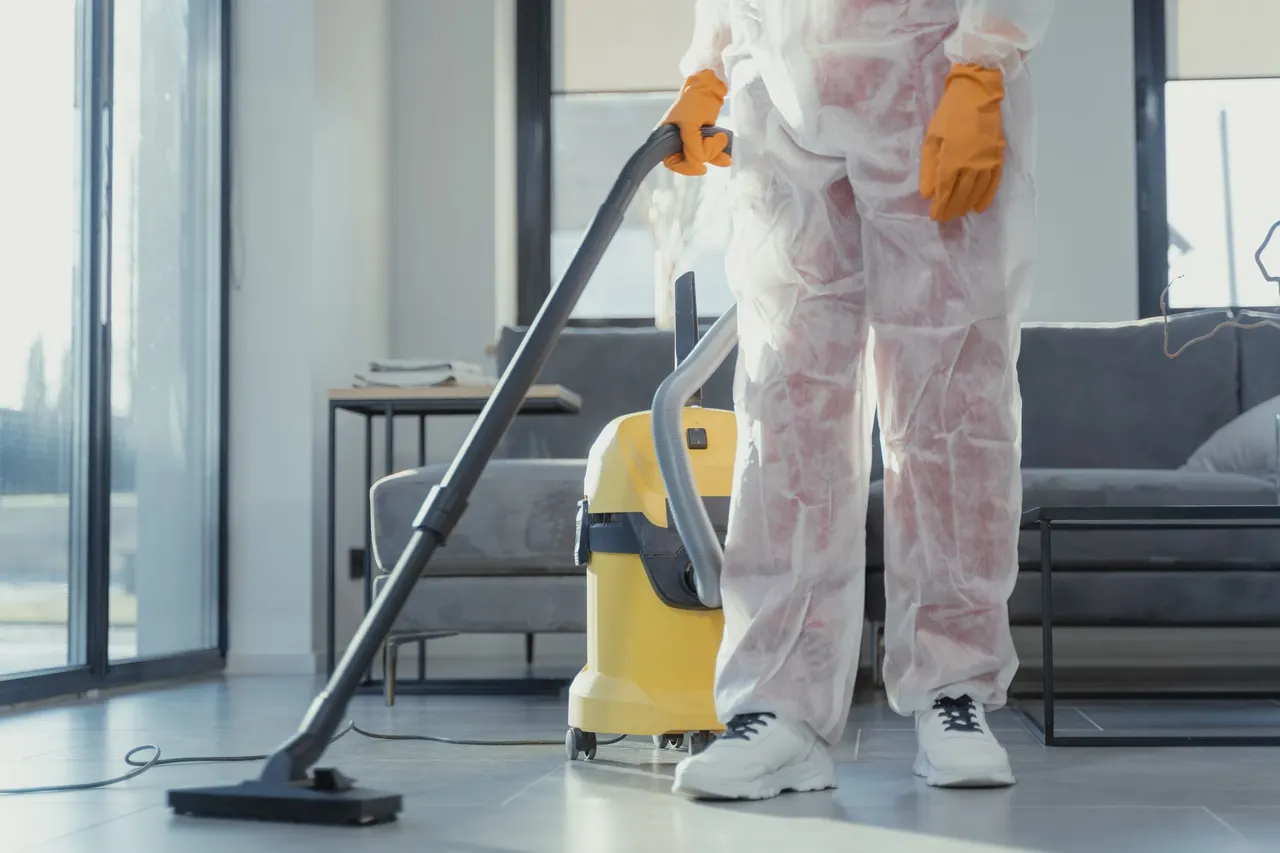
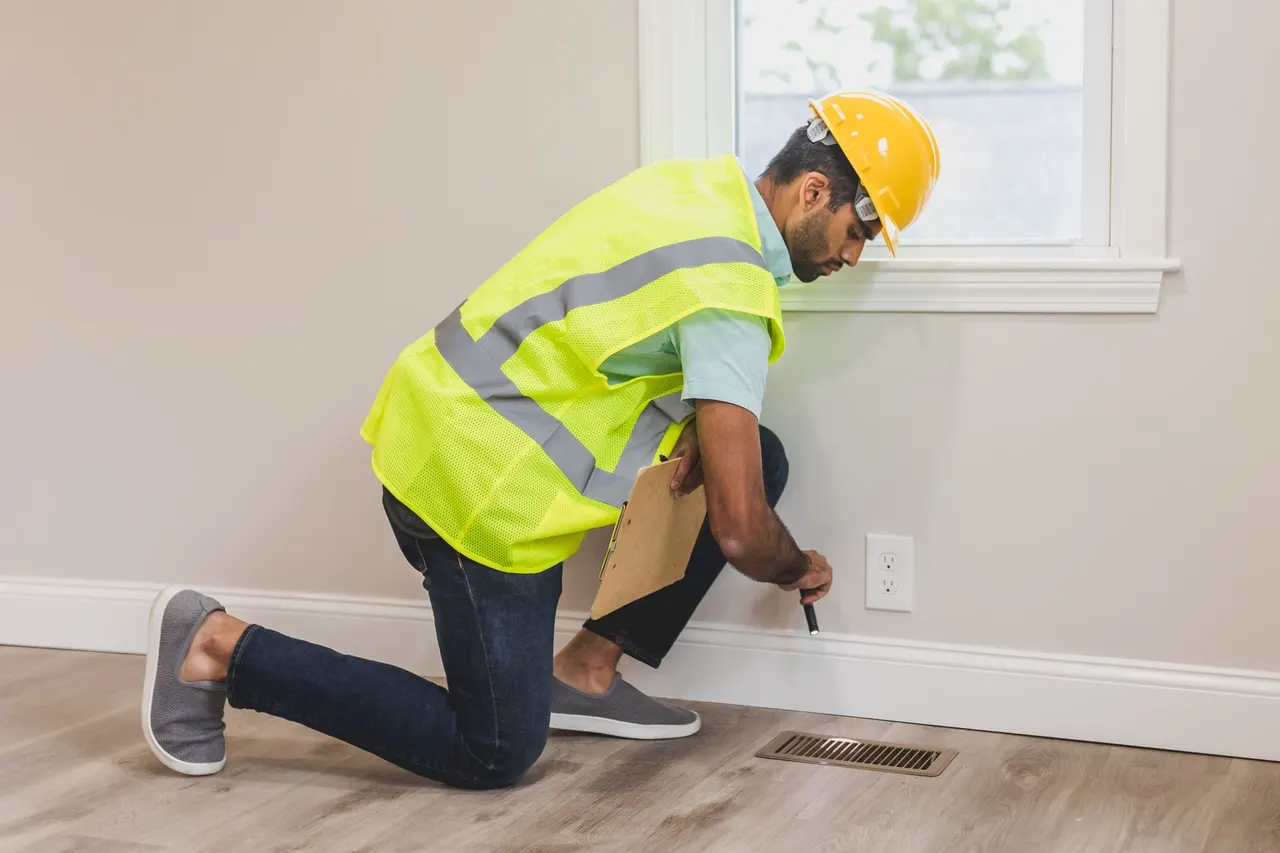
A leak can wet carpet, hardwood, or lower walls before the damage is obvious. We place air movers around your home based on affected materials and explain how to keep the drying area accessible.
Water damage can interrupt customer access and daily work in a shop or office. We plan equipment placement around the wet area, clear paths, and the materials that need drying.
Air mover rental kuna ID is equipment rental that uses directed airflow to speed evaporation from wet building surfaces after water damage. We assess the affected rooms, remove standing water where needed, and aim each unit across-not straight into-damp flooring or wall cavities. Air movement works alongside a dehumidifier, which captures moisture from the air; a fan alone does not remove water from the building. We track conditions with a moisture meter and hygrometer, then adjust placement as readings change.
A frozen pipe during a Kuna cold snap, a slab leak, or spring foundation seepage can wet carpet padding and baseboards before the damage is obvious. Our blower rental kuna service starts with the water source and affected materials, not a guessed fan count. For water damage air mover rental kuna Idaho customers often need both extraction and controlled drying, especially when hardwood flooring or insulation is involved. If you're searching for air mover rental kuna ID near me, we can explain the equipment plan by phone.
Directed airflow supports drying when extraction and moisture checks guide the setup.
Air mover rental in Kuna begins with the water source, the wet materials, and the amount of water already removed. We explain the setup, place equipment safely, and check moisture as drying progresses so you know what the readings mean.
Tell us where water entered, when you found it, and whether the source is stopped. We ask whether the water came from a clean supply line, roof leak, or sewage backup because that changes the safe handling plan. A short phone discussion helps us distinguish a single wet room from a multi-area loss.
We inspect affected surfaces and take moisture readings at representative points, including floor edges and baseboards. A moisture meter helps compare wet areas with unaffected material; a hygrometer records room conditions. This step usually takes about 20 to 45 minutes for a small, accessible area, with more time for multiple rooms.
Before air movers run, we remove visible water with suitable extraction equipment and address saturated carpet where practical. Moving air over pooled water is inefficient and can spread contamination if the source is unsanitary. We protect clear walk paths and identify materials that need separate evaluation, including insulation or damaged drywall.
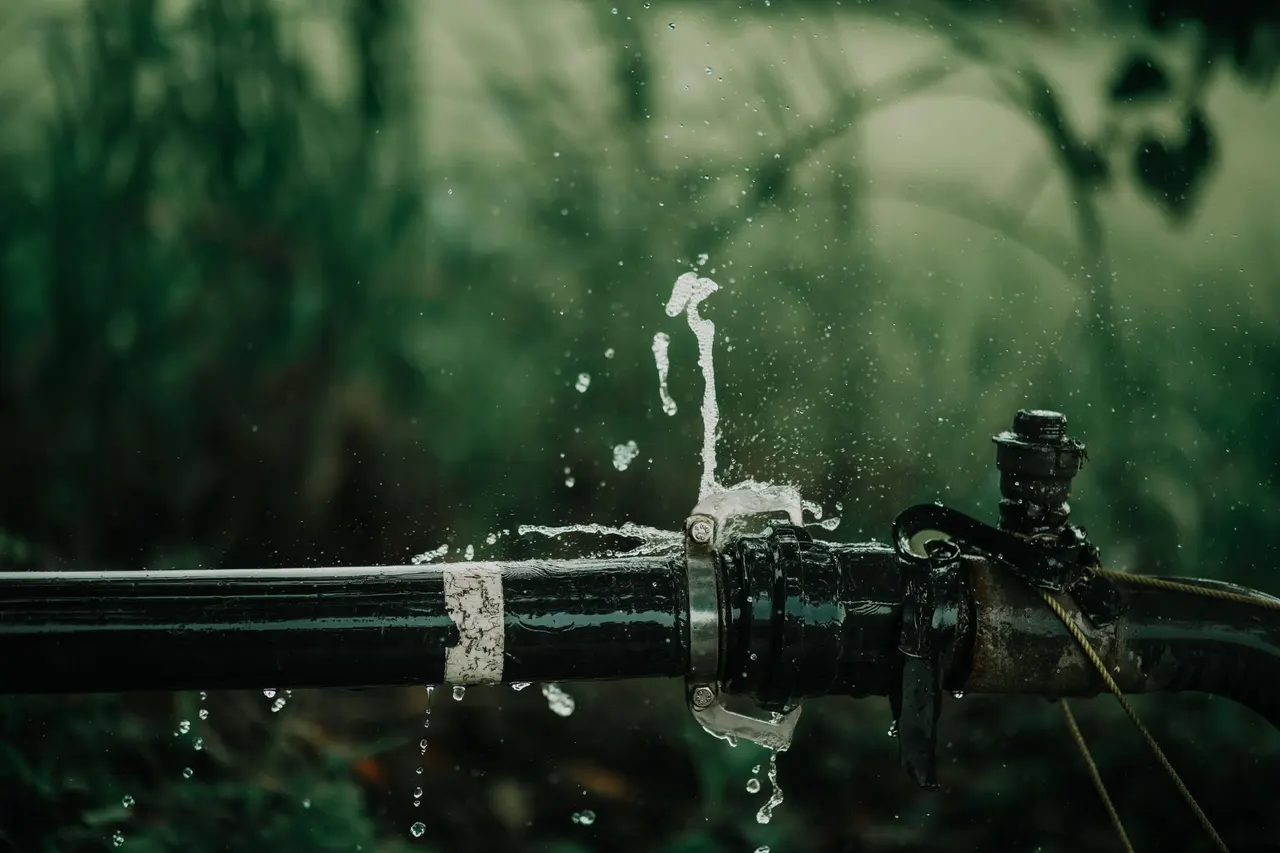
We position air movers to sweep air across wet surfaces and pair them with dehumidification when conditions call for it. The number of units depends on room dimensions, water spread, and material type; a 200-square-foot room is not automatically assigned a fixed number. We also review cord routing, airflow direction, and equipment operation with you.
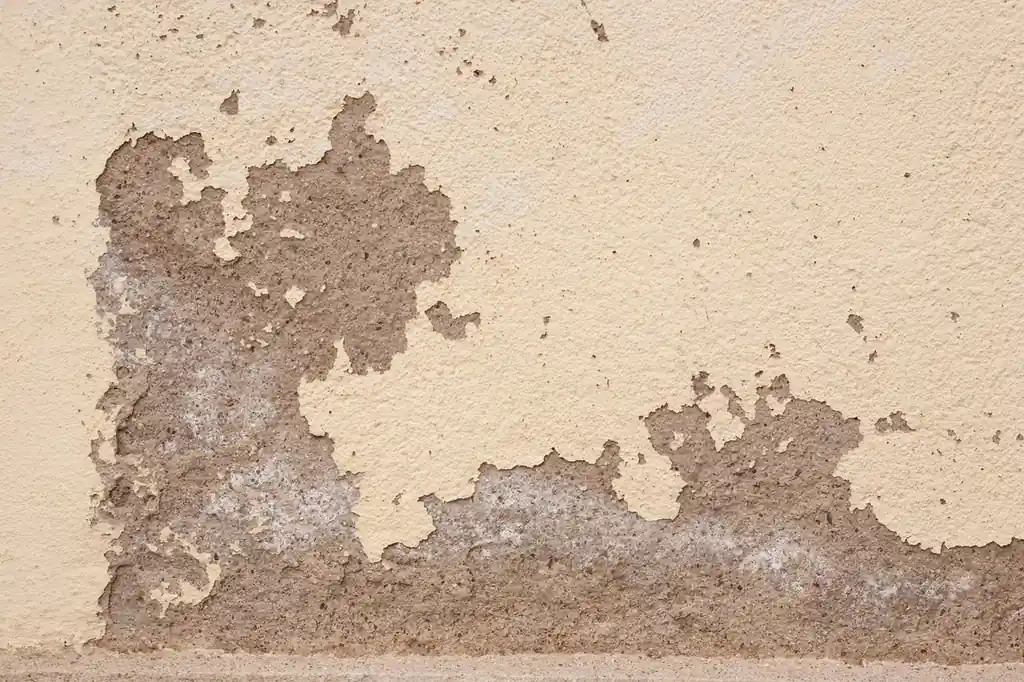
You receive practical guidance on what to watch, when to contact us, and how readings determine the next adjustment. For many contained losses, drying takes roughly 2 to 5 days, but dense materials and hidden cavities take longer. We document measurements and revise placement or equipment duration when the moisture trend calls for it.
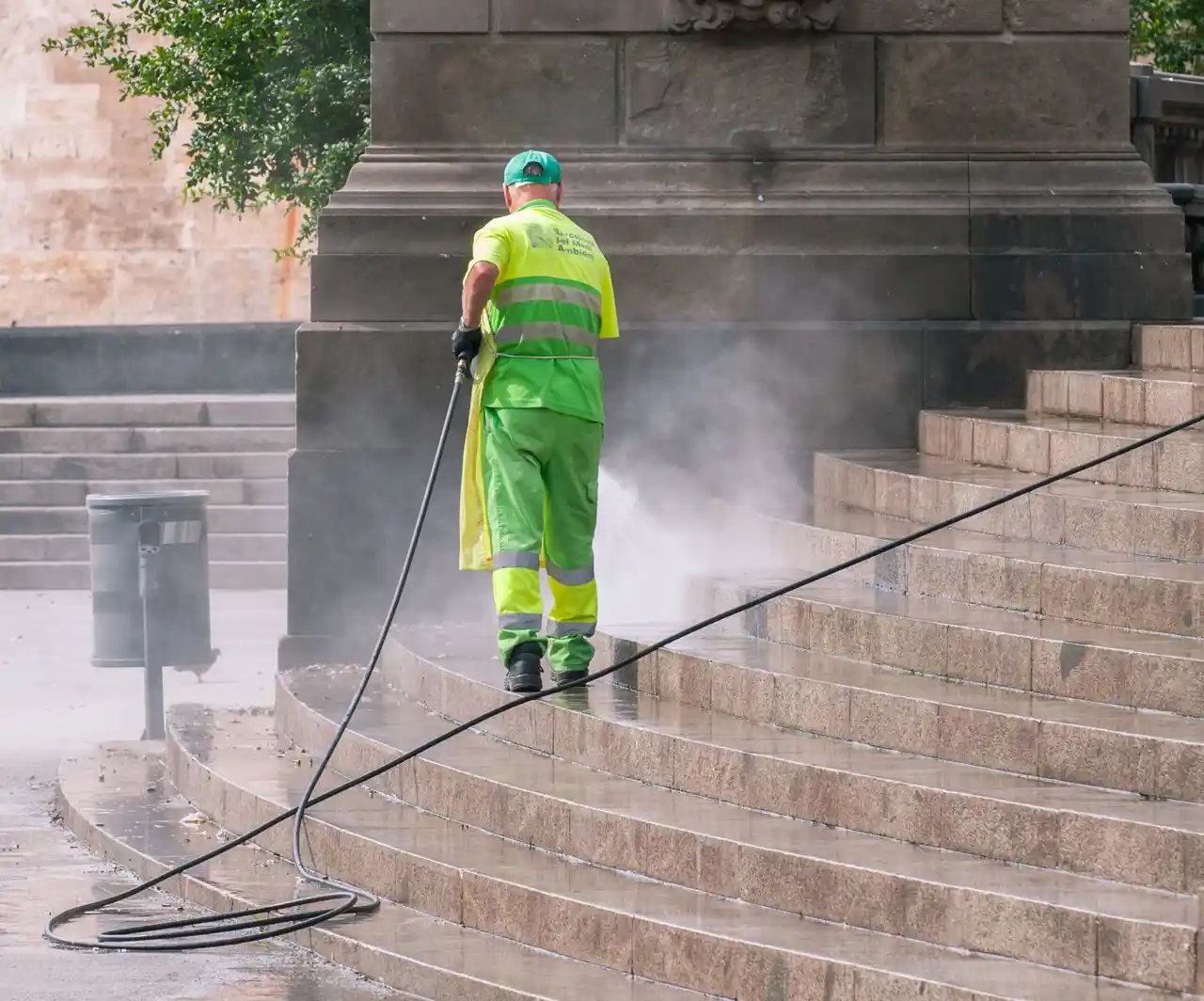
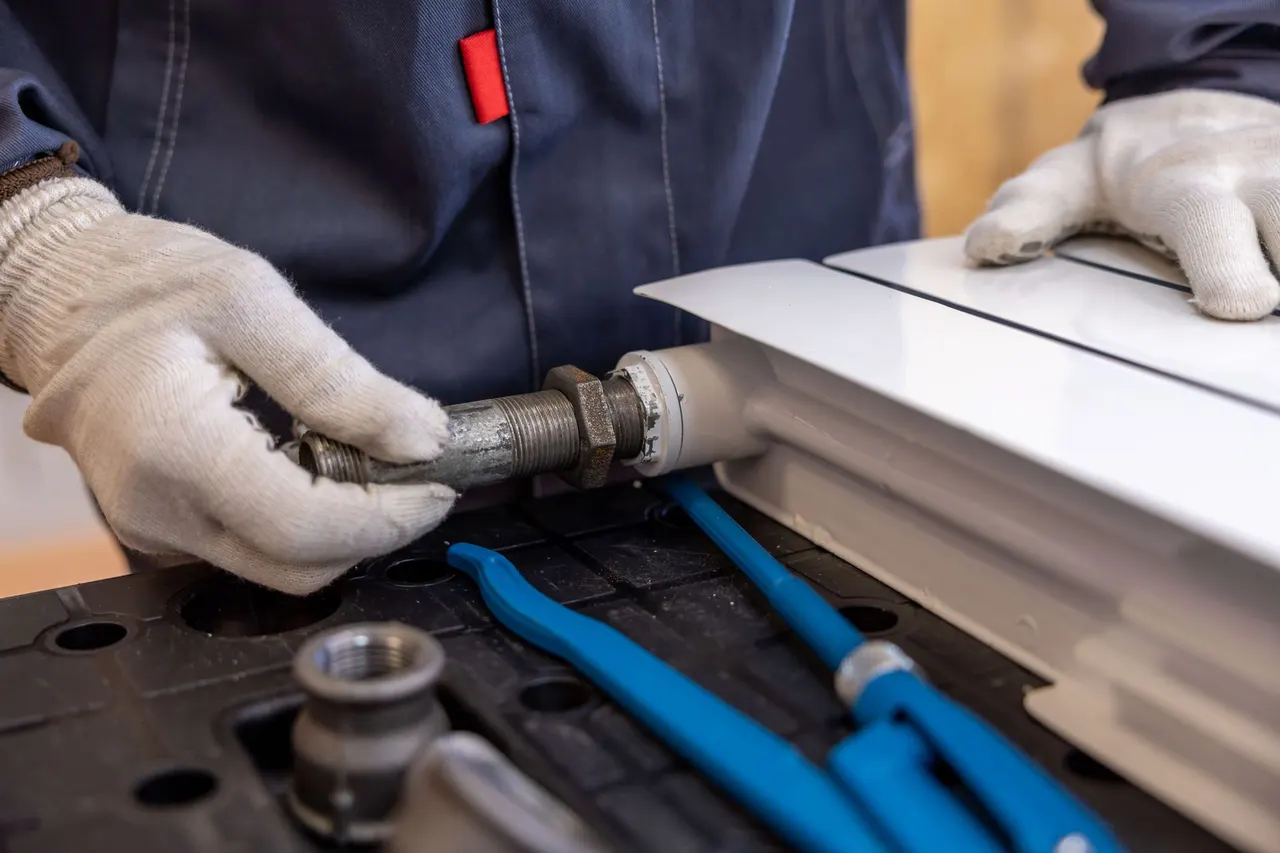
Moves air across damp flooring and exposed surfaces to support evaporation after extraction. We aim the outlet toward the wet material and keep the unit stable with cords routed clear of walkways.
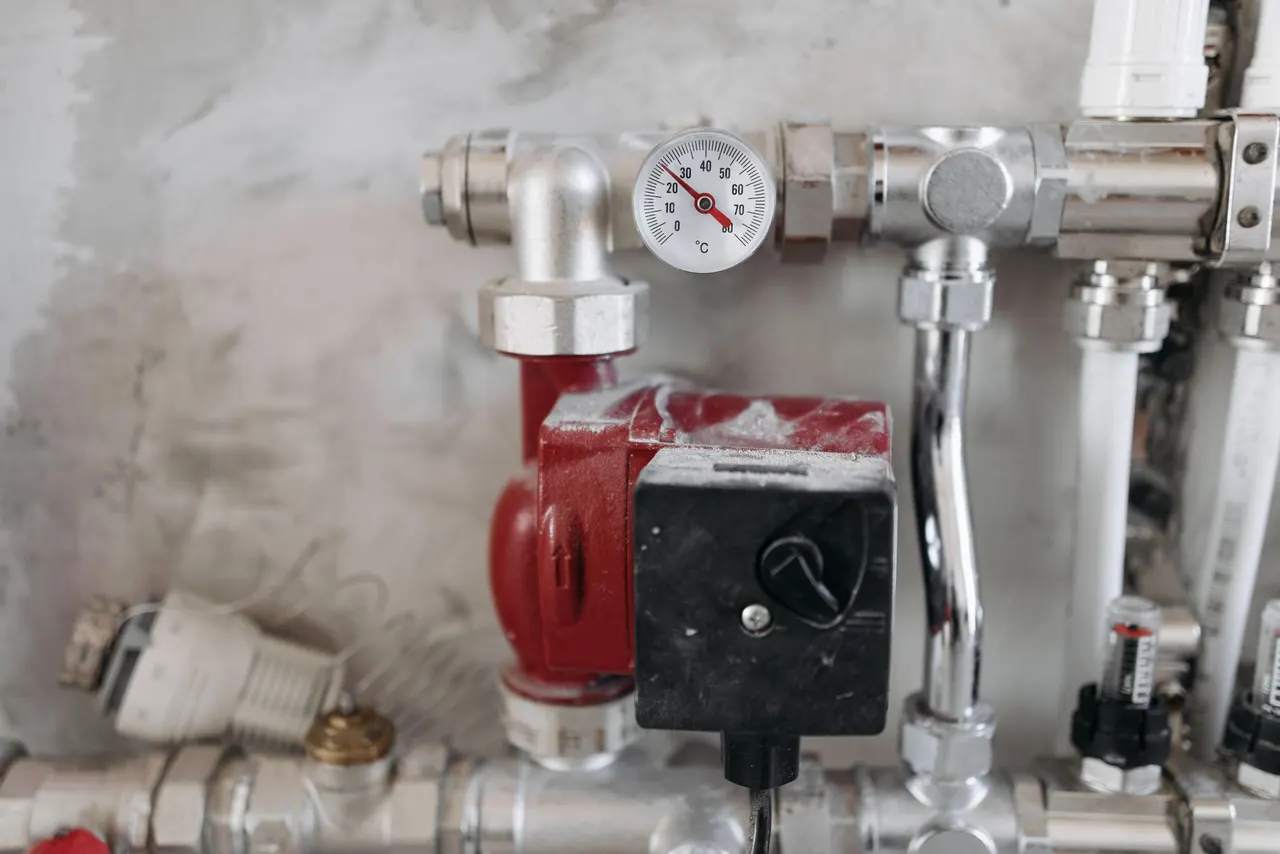
Checks moisture conditions in materials such as drywall and wood. We compare affected readings with reference areas to guide equipment placement and judge whether the drying trend is moving in the right direction.
Measures room humidity and temperature so airflow can be considered alongside indoor conditions. We use those readings to explain why a dehumidifier may be needed with air movers.
Collects moisture released into the air during drying. Pairing it with air movement helps manage room humidity instead of merely circulating damp air around the affected space.
Removes standing water and recoverable moisture from wet carpet before air movers are placed. Extraction reduces the amount of water left for evaporation and makes airflow more useful.
Helps locate temperature patterns that may indicate hidden moisture, but does not measure moisture by itself. We confirm suspicious areas with appropriate moisture checks before changing the drying plan.
We apply established water restoration principles by identifying the water source, affected materials, and contamination concerns before selecting drying steps. Air movers are placed after extraction where appropriate, with humidity control and repeat measurements guiding changes. The standard informs professional practice; it does not replace a site-specific assessment.
We take readings across affected and unaffected reference areas, noting locations that need follow-up. Mapping helps distinguish a visible wet patch from water that has traveled beneath flooring or toward a wall. We use the readings to focus airflow and communicate progress in practical terms.
We identify the leak status, remove standing water, and check both flooring types before placing equipment. Air movers target exposed surfaces, while we assess whether carpet padding or the transition beneath the hardwood needs separate attention. We explain which areas should remain clear during drying. You get a defined drying layout and moisture checks that distinguish a dry-looking surface from materials that still hold water.
We first check whether water is still entering and look for wet ceiling or wall materials. After the source is controlled and unsafe sections are addressed, we extract floor water and position air movers where airflow can reach. A moisture meter helps track affected edges and nearby surfaces. The setup addresses the interior moisture without treating the stain alone as proof that the entire area is dry.
We coordinate water removal and inspect the basement perimeter before setting equipment. Items that block airflow are moved when appropriate, and air movers are paired with humidity control if room conditions call for it. We also identify whether the pump or drainage issue needs attention to prevent repeat wetting. Your basement receives a focused drying plan, with access paths kept clear and the cause of recurring water considered.
We assess the patch and adjacent floor, extract remaining water, and plan equipment placement around entrances and customer paths. If the source is stopped, directed airflow can support surface drying while staff use unaffected areas. We explain which readings should be checked before the space returns to normal use. The work area stays organized, and you can make reopening decisions based on the affected materials and drying progress.
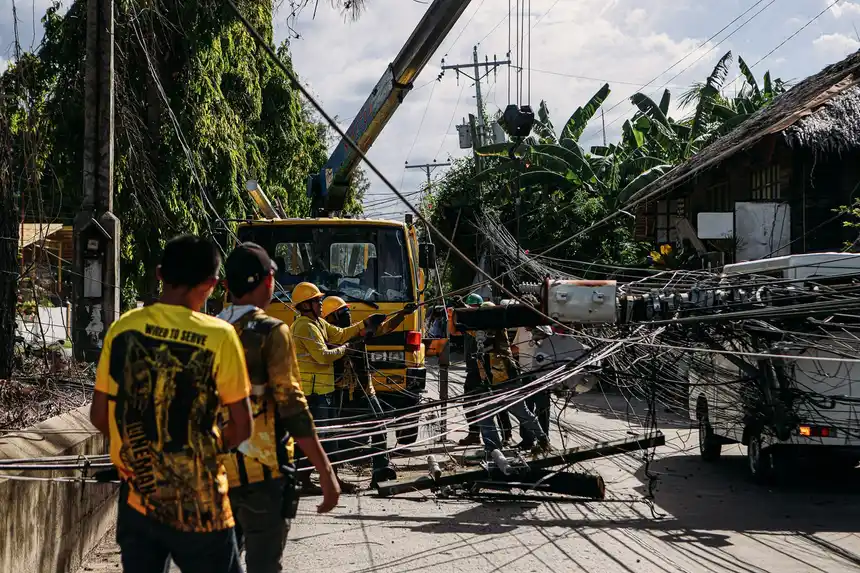
Air mover rental in Kuna needs to account for cold-season pipe leaks, roof runoff, and damp lower levels after periods of rain or snowmelt. In November, a frozen pipe risk makes source control important before equipment is set; spring drainage issues can leave foundation edges or crawl spaces wet. Homes around Kuna include varied floor plans and finishes, so we check each affected area instead of assigning a standard fan count. Our team serves Ada County, including Downtown Kuna, Crimson Point, and the Ten Mile area. For industrial air mover rental kuna ID, we also consider room volume, work schedules, and clear access in commercial spaces. If you are seeking affordable blower rental kuna ID, tell us the wet area and materials so we can discuss the equipment and drying steps that fit the actual loss.
A failed washer connection left water across a laundry room and into the carpeted hall. The carpet surface felt only slightly damp, but moisture remained at the transition and near the baseboards. The leak had stopped, yet pooled water and wet padding made ordinary household fans an incomplete response.
We removed recoverable water, checked the floor transition and wall edges, and placed 2 air movers across the affected surfaces with dehumidification. Follow-up readings over 3 days showed the wet areas trending toward the reference readings. The customer could see which sections still needed attention instead of relying on touch alone.
Check supply hoses and connections for drips, especially after moving a washer. Keep the area around the appliance clear enough to spot a leak early, and call promptly if water reaches carpet or wall edges.
Water entered along one basement wall after persistent rain, leaving the carpet edge damp and stored boxes close to the wet area. The visible water was removed, but humidity stayed high and the floor perimeter remained cool and moist. A drying plan needed to address airflow and the ongoing entry path.
We checked several points along the wall and carpet edge, moved items away from the wet zone, and placed 3 air movers with a dehumidifier. Over 4 days, follow-up measurements helped focus equipment on the remaining damp boundary. The customer also had the likely drainage concern identified for separate correction.
Keep stored goods elevated near basement walls and check the perimeter after heavy rain or snowmelt. If moisture returns in the same location, address drainage or pump conditions rather than repeating fan-only drying.
A plumbing leak wet carpet in a ground-floor office before staff arrived. Water had been mopped from the center, but the carpet edge and baseboard still felt damp. Equipment placed without a plan risked blocking the entrance and sending airflow into the adjoining dry room.
We checked the carpet and wall edge, extracted remaining water, and positioned 2 air movers so the entrance and main walkway stayed open. Moisture readings were reviewed over 2 days, and placement was adjusted toward the slower-drying perimeter. Staff could continue using unaffected rooms during the work.
Inspect under sinks and around plumbing connections during routine building checks. Keep a clear route to utility shutoffs and report water quickly so extraction and drying can start before moisture spreads.
Air movers address wet surfaces after a leak or flood, but they work best when paired with water removal and moisture checks. We help Kuna property owners identify the wet area, choose a reasonable airflow layout, and recognize when concealed materials need more attention.
We check the carpet edge and accessible flooring, then determine whether extraction is still needed before air movers run. We direct airflow across the surface and explain when padding requires separate assessment or removal. Moisture readings help show whether the drying trend is improving rather than relying on touch alone. Moisture trapped under carpet can linger after the surface changes feel, creating an odor and potential conditions for mold growth if the area stays wet.
We identify the likely water path and check several floor locations, including boundaries near cabinets or walls. Our team uses measured conditions to guide airflow and humidity control, then checks the trend before changing the setup. If the leak is active, source control comes before drying equipment. Water held beneath boards can cause movement and finish damage, while excess heat or poorly aimed airflow may not address moisture below the surface.
We inspect the room perimeter, check affected materials, and pair air movement with dehumidification when conditions warrant it. If sump pump failure or foundation seepage caused the water, we also address the ongoing source. The drying plan focuses on measured progress, not simply leaving fans running. A wet basement can continue to hold moisture in floor edges, stored contents, and lower wall sections even after visible puddles are gone.
We map the wet zone and place equipment to preserve practical access where possible. Our team routes cords away from normal foot traffic and keeps airflow aimed at affected surfaces. For a larger space, we discuss how to stage work by area so business operations can continue safely around the drying zone. Poor placement creates trip hazards, disrupts access, and can push air across an unaffected work area instead of the wet materials.
We angle units low across wet flooring, carpet, and exposed baseboards to keep air moving over damp surfaces. Placement matters: a fan aimed at an unaffected wall wastes airflow, while a correctly positioned air mover supports evaporation across the wet area. Your readings guide repositioning during the drying period.
After extraction, moving air helps moisture leave carpet fibers and hard surfaces so a dehumidifier can collect it. A floor blower rental kuna setup is useful for a localized spill or a room with several wet flooring sections. We monitor progress rather than relying on a set number of hours.
Water can remain beneath carpet padding, behind baseboards, or at the edge of hardwood after the visible puddle disappears. We use moisture readings to identify where drying needs to continue and whether materials need further inspection. That helps limit conditions that contribute to mold growth.
A small bedroom and a large commercial room do not need the same airflow layout. We consider the wet area, access, noise, and available power before placing units. For a commercial air mover rental kuna ID request, we plan around occupied areas and the need to keep doors, exits, and walkways clear.
Clear records you can keep and share.
Airflow direction matched to wet surfaces.
Readings focused on affected materials and edges.
Clear instructions for equipment and walkways.
An air mover helps moisture evaporate from exposed surfaces, but it does not remove pooled water. We extract first when needed and use humidity control to manage moisture released into the room.
Pooled water should be extracted before airflow is directed across a floor. This gives the equipment a practical drying task.
Airflow should sweep over the wet surface rather than point randomly into a room. Placement changes as readings identify slower-drying areas.
A surface can feel dry while padding or a wall edge remains damp. Moisture readings help identify where further drying or inspection is needed.
Outside these neighborhoods? Call and ask about service for your address. (833) 546-4116
Kuna water damage restoration provides air mover rental in Kuna, Idaho, with setup guidance based on the affected room and materials. Call (833) 546-4116 and describe the water source, wet area, and whether standing water remains. We can explain whether air movers alone suit the situation or whether extraction and dehumidification are also needed. Sewage-contaminated water requires a different handling plan from a clean supply-line leak.
Typical 2026 pricing in Kuna is about $35-$75 per air mover per day, with drying setups commonly totaling $150-$850. The final cost depends on how many units are needed, rental duration, delivery and setup, and whether extraction or dehumidification is part of the work. A small room with a short rental costs less than a multi-room loss that needs repeated moisture checks. We explain pricing upfront before proceeding.
A single 150- to 250-square-foot room often starts with 1 to 3 air movers, but wet materials and room layout determine the actual count. We inspect the spread, check moisture levels, and consider whether carpet padding, hardwood flooring, or wall cavities are affected. Too few units slow surface evaporation; poorly placed units do not solve hidden moisture. Extraction and a dehumidifier may also be necessary.
Call Kuna water damage restoration at (833) 546-4116 to discuss a blower rental in kuna Idaho and the damage you need to dry. Share the address area, water source, and affected materials so we can determine whether the equipment fits the job. A rental does not replace source repair or water extraction, and contaminated water needs professional assessment before ordinary drying equipment is used.
Tell us what leaked, which rooms are wet, and whether water is still present. Our team will discuss the equipment and drying steps for your Kuna property. Call (833) 546-4116 to get the conversation started.
Call (833) 546-4116 when water reaches your home or business in Kuna, Idaho. Tell us whether the source is still active, which rooms are affected, and when the damage began; that helps direct the next steps. Calls are accepted at any hour for emergency inquiries, and service coverage includes Kuna, ID, with ZIP codes 83634 and 83642.