Emergencywaterdamagerepair in Colony at Kuna

Kuna water damage restoration provides emergencywaterdamagerepair in Colony at Kuna when a pipe breaks, a roof leaks, or water reaches flooring and walls. We locate the source, extract standing water, and map moisture before setting drying equipment. Our Colony at Kuna emergencywaterdamagerepair service covers homes near Colony North, Colony South, and the Colony at Kuna clubhouse, with clear work steps from the first inspection.

emergencywaterdamagerepair in Colony at Kuna

Serving Colony at Kuna

  • Readings RecordedMoisture checks guide drying decisions
  • Work Area ProtectedContents moved away from wet surfaces
  • Steps ExplainedYou hear what happens next
  • Equipment CheckedAirflow placement reviewed during work

emergencywaterdamagerepair in Colony at Kuna

emergencywaterdamagerepair in Colony at Kuna is a property-restoration service that removes unwanted water and dries affected building materials after a leak, burst pipe, or indoor flooding event. Our crew starts by stopping or isolating the water source when possible, then checks affected rooms, adjacent walls, flooring, and accessible cavities. We record moisture readings and explain which materials need extraction, controlled drying, or removal.

Colony at Kuna is a planned community with shared irrigation, community amenities, and a mix of newer homes. New construction still needs careful leak response: a supply connection, appliance hose, or roof penetration can wet drywall and insulation before a stain appears. We work across Colony North and Colony South and use the Colony at Kuna clubhouse as a familiar orientation point, not as a service site. Our water damage restoration Colony at Kuna ID work follows the conditions in the affected home rather than a one-size checklist.

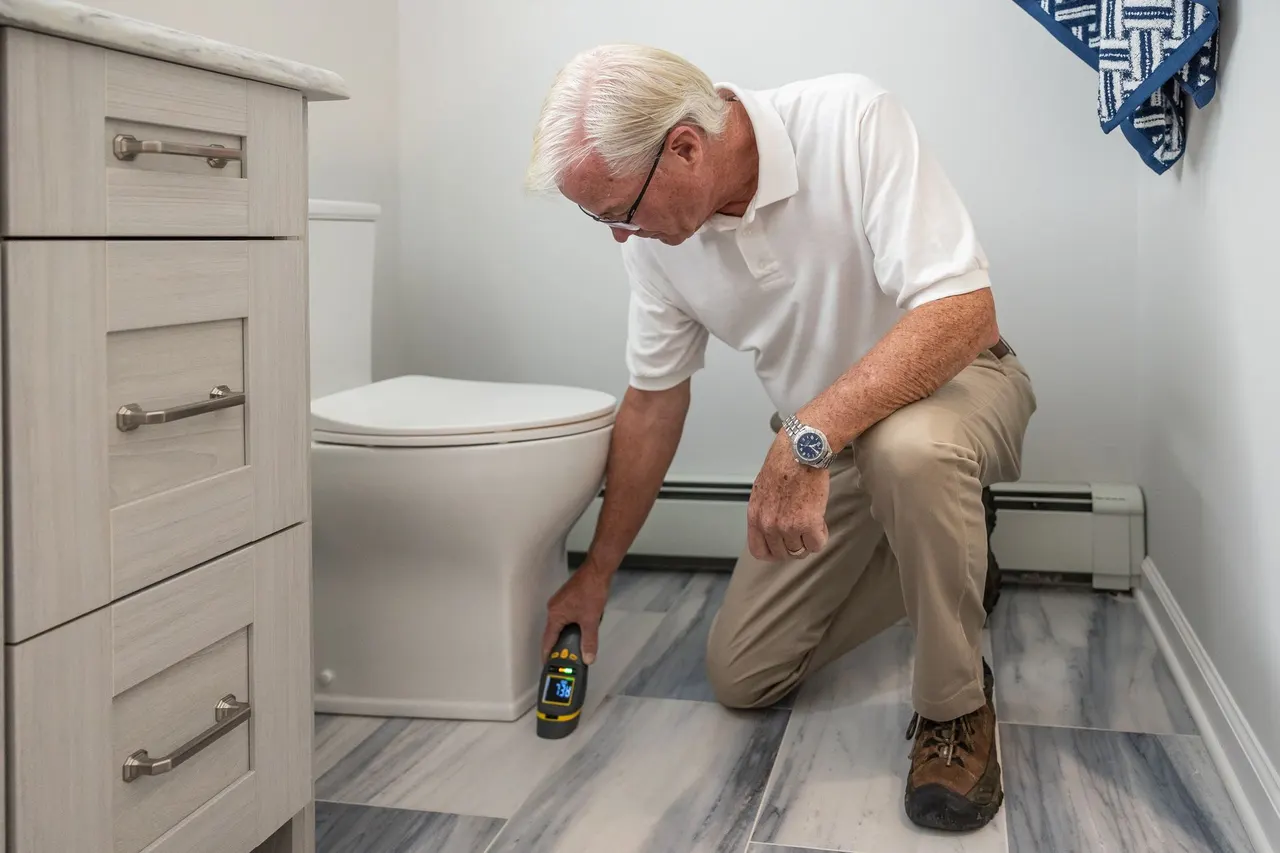
We bring a moisture meter, thermal imaging camera, water extraction unit, air movers, and dehumidifiers as the job requires. Readings guide placement and follow-up checks. We document the affected area, protect dry contents, and coordinate the next repair steps so you know what happens after extraction.

Colony at Kuna has a distinct service pattern: households share community infrastructure and irrigation, while individual homes still have separate plumbing, appliances, roofs, and drainage details. A leak inside one property can remain hidden behind a baseboard or beneath carpet padding until the floor feels soft or an odor develops. We serve this planned community because fast inspection and controlled drying help limit how far water travels through finished spaces. In winter, an exposed or poorly insulated line can freeze; in spring, runoff and wet weather can test roof and foundation details. We respond to the actual source and building conditions, not assumptions based on the neighborhood. From Colony North to Colony South, we bring extraction and drying equipment suited to the measured water and affected materials.
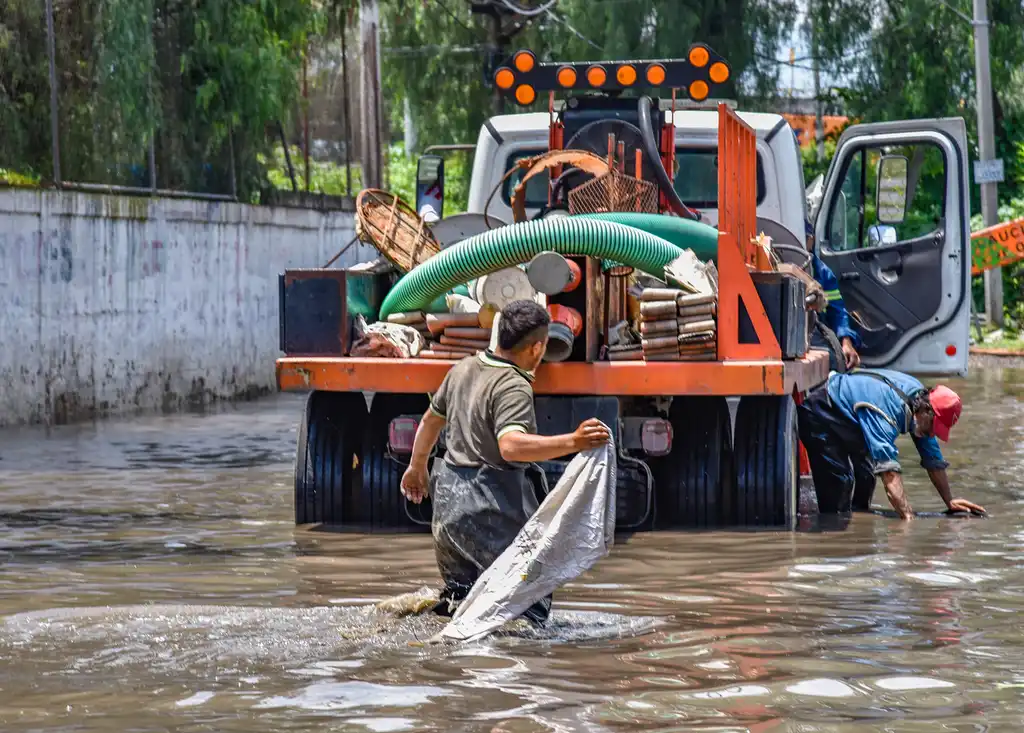
Water damage services in Colony at Kuna

Water loss in Colony at Kuna ranges from a small appliance leak to a room with standing water after a pipe failure. We ask you to shut off the source if it is safe, keep clear of electrical hazards, and tell us whether water is clean, gray, or sewage-contaminated. For emergencywaterdamagerepair in Colony at Kuna ID near me searches, our response starts with the affected address, access details, and the safest route to the wet area. We then extract, inspect, and plan drying around the home's materials.

Services for Colony at Kuna homes

Emergency restoration in Colony

Emergency restoration in Colony

We trace the leak through affected rooms, including flooring edges and nearby cabinets. In Colony at Kuna, planned-community access details help us bring extraction equipment directly to your home. We record moisture readings before setting a drying plan.

  • Source and safety check
  • Room-by-room moisture map
  • Extraction and drying plan
For Colony at Kuna homes

For Colony at Kuna homes

We restore homes after plumbing leaks, roof entry, and lower-level water events. Tell us which rooms are affected so we can prepare the right extraction and inspection equipment.

  • New construction homes
  • Homes near Colony park
  • Multi-room plumbing leaks
  • Lower-level water events
For local properties

For local properties

We assess water damage in community-serving spaces and other properties in the Colony at Kuna area. Access instructions and affected-room details help us plan the work zone.

  • Community amenity spaces
  • Small office interiors
  • Shared-use property rooms
  • Storage and utility areas

Common water losses in Colony at Kuna

Colony at Kuna homes include newer construction, finished living spaces, and shared community infrastructure, but the most common water losses still begin inside an individual property. Winter cold can expose vulnerable plumbing; storms can reveal roof weaknesses; and irrigation or surface water needs to be distinguished from a building leak. Colony at Kuna water damage cleanup starts with source identification and water classification. We check the affected materials rather than assuming a particular cause from the neighborhood or season.

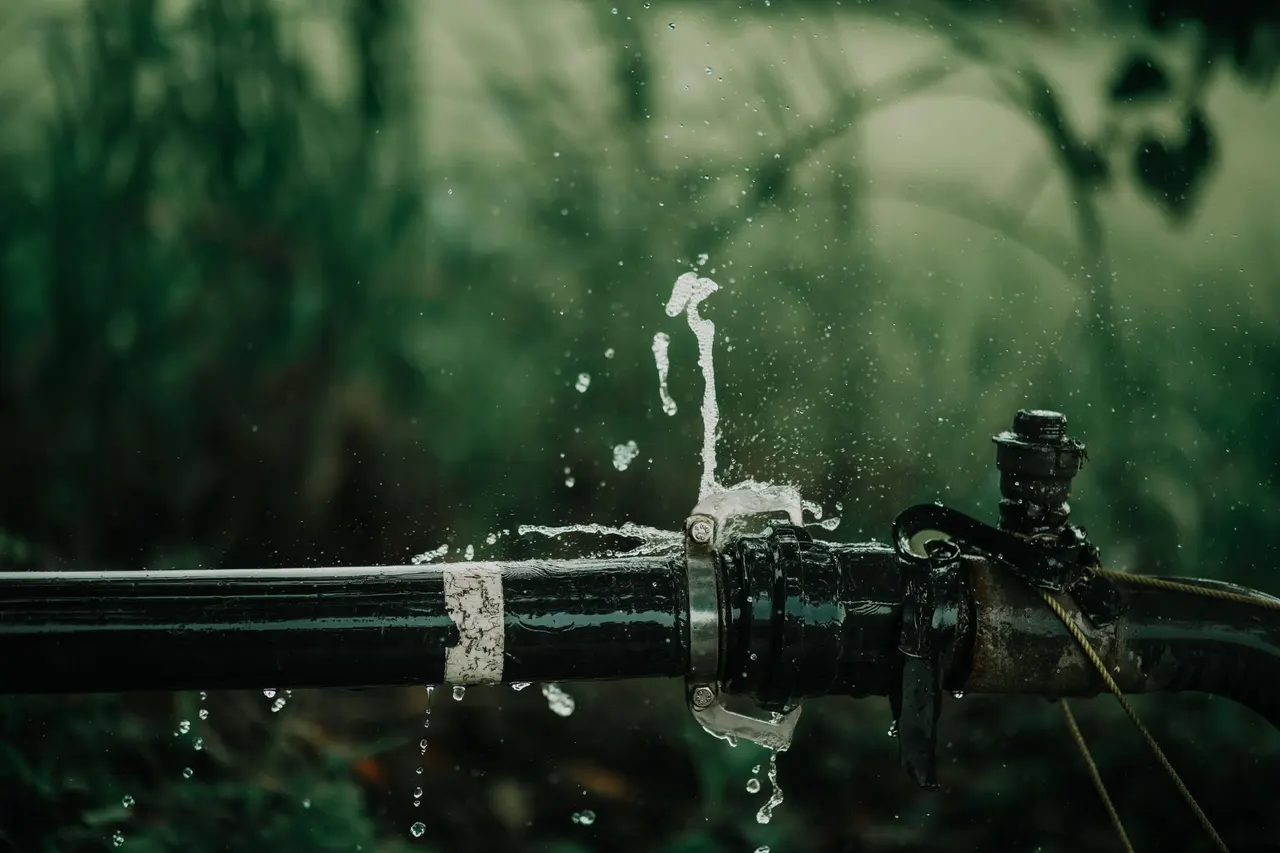
  • Frozen or burst plumbing lines wet finished walls and flooring

    Frozen or burst plumbing lines wet finished walls and flooring

    During cold weather, pipes in exposed or poorly insulated locations may freeze and split. Water can then escape behind cabinets or into wall cavities, sometimes becoming noticeable only after a room warms or a fixture is used. The initial visible puddle may be smaller than the actual wet area. We help isolate the water, confirm the leak is stopped, and inspect the surrounding rooms and cabinetry. We extract water and map moisture in drywall, flooring, and accessible insulation. The plumbing repair and restoration plan are coordinated so drying does not proceed against an active leak.

  • Roof leaks create ceiling stains and concealed wet cavities

    Roof leaks create ceiling stains and concealed wet cavities

    Wind-driven rain, damaged roof details, or worn flashing can let water into an attic or ceiling assembly. Water may travel along framing before showing as a stain, making the point on the ceiling different from the roof entry. Repeated wetting can affect drywall and insulation. We inspect the stain and accessible spaces above it, protect the room, and document the moisture pattern. Once the roof opening is controlled, we dry affected materials and identify what needs removal or repair. Follow-up readings help keep finish work from covering damp material.

  • Sump pump failure leaves lower floors and storage areas wet

    Sump pump failure leaves lower floors and storage areas wet

    A pump failure, power interruption, or discharge problem can allow water to collect in a basement or lower level. Stored goods may block the floor edge, while water stays around the sump pit and wall perimeter. The cause must be checked before the same area is considered dry. We remove standing water, inspect the perimeter and sump setup, and separate wet contents from dry items. Moisture readings guide floor and wall drying. We coordinate pump repair or replacement needs with restoration so a functioning system is in place before the affected area is returned to use.

  • Shared irrigation concerns are mistaken for indoor plumbing leaks

    Shared irrigation concerns are mistaken for indoor plumbing leaks

    In a planned community with shared irrigation, water near an exterior wall may raise questions about its source. A private pipe, sprinkler activity, runoff, or foundation seepage can produce similar early signs. Guessing incorrectly can leave an active source untreated or cause unnecessary interior work. We trace the interior wet pattern, ask about recent fixture and irrigation use, and inspect accessible plumbing and building materials. We document what the readings show and explain whether the response should focus on extraction, drying, or further source investigation. Restoration follows the evidence at the property.

When to call for water restoration

Call when water spreads, a ceiling stain grows, flooring changes shape, or a musty odor follows a leak.

  • Water spreads beyond the original leak

    Water moving under flooring, through a doorway, or along a baseboard means the visible puddle may not show the full affected area. Stop the source if it is safe and avoid walking through contaminated water. We inspect adjoining surfaces and check for moisture beyond the first room.

  • Ceiling stain grows or begins to sag

    A spreading stain suggests water is continuing to enter or remains trapped above the ceiling. A sagging section can become a safety concern as material holds more water. Keep people clear of the area and call for inspection before opening or pressing on the ceiling.

  • Hardwood boards cup or lift

    Raised edges or cupped boards indicate that moisture has entered the wood or the layers beneath it. Continued dampness can worsen the distortion and affect nearby trim. We measure the floor and surrounding materials, then choose a drying approach based on the readings.

  • Carpet stays damp after surface drying

    A carpet surface can feel nearly dry while carpet padding underneath holds water. That hidden moisture can affect the subfloor and create persistent odor. We check carpet edges and transitions, extract water where suitable, and determine whether padding can be dried or needs removal.

  • Musty odor follows a plumbing leak

    A musty smell after a leak can point to damp drywall, insulation, or flooring that was not fully dried. Odor alone does not identify the source, so we inspect and measure the suspected area. Prompt moisture-source correction reduces the chance of continued mold growth.

How we handle water loss locally

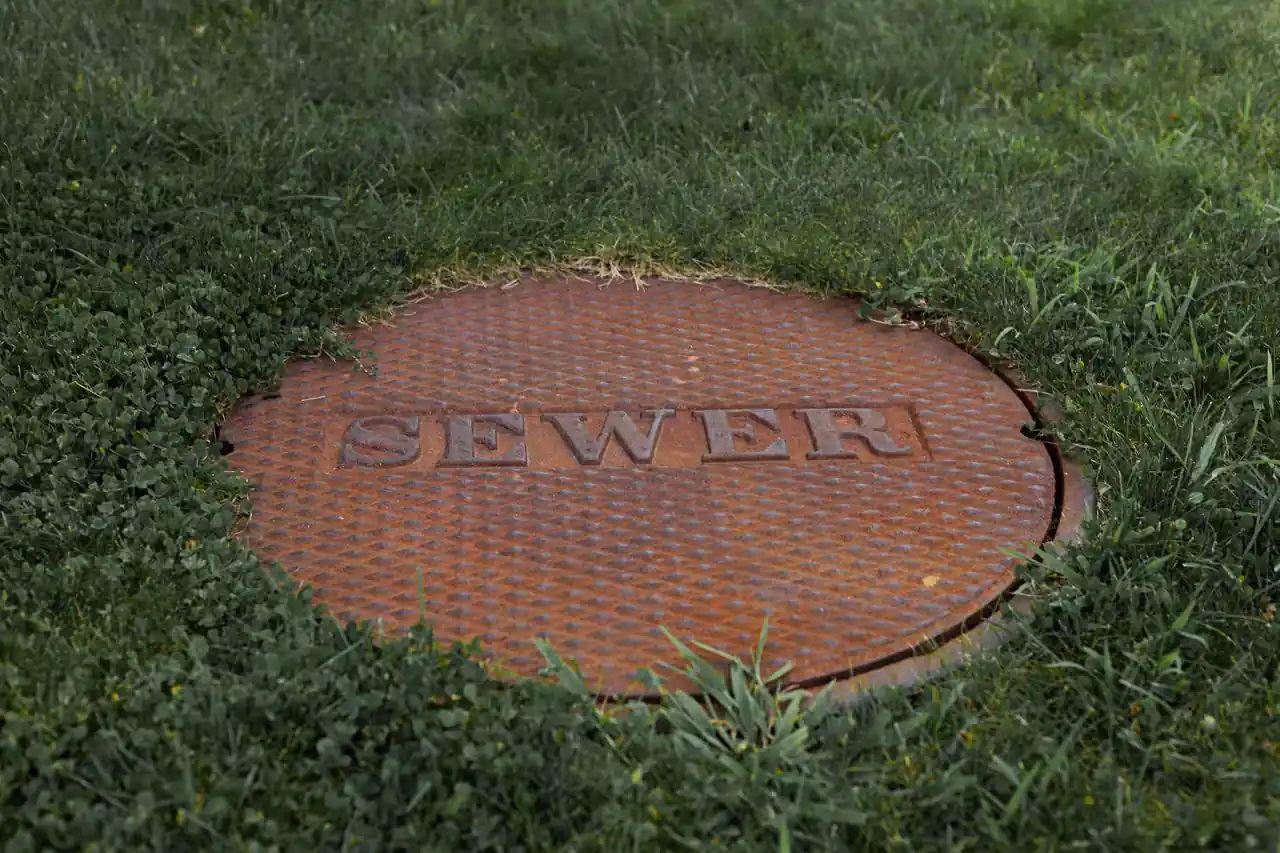
For Colony at Kuna emergencywaterdamagerepair, our first steps are source control, safety, extraction, and moisture mapping. We ask whether water is near outlets, whether the loss involves sewage, and whether the main shutoff is accessible. In a planned community with shared irrigation and community amenities, we distinguish irrigation concerns from a private plumbing or building leak rather than assuming the source.

  • Shared irrigation questions can complicate early source identification

    If water appears near an exterior wall or yard-facing room, a homeowner may not know whether it came from irrigation, a supply line, or surface drainage. Each source needs a different repair path, and continued flow can expand the wet area. We trace the wet pattern from the interior and ask when the water appeared, which fixtures were running, and whether irrigation was active. We inspect accessible plumbing and building surfaces, document moisture readings, and help distinguish an interior loss from exterior water entry before selecting extraction and drying steps.

  • New construction can conceal leaks behind finished surfaces

    Newer finishes can stay visually clean while water travels inside a cabinet, wall, or floor assembly. A small stain may not show the full boundary, so stopping work at the visible mark risks leaving damp drywall or insulation behind. We compare readings at the stain, adjacent surfaces, and a dry reference area. Thermal imaging can help locate temperature patterns that merit further checking, while a moisture meter confirms material conditions. We document the map and open materials only when findings and the repair plan support that step.

  • Cold-season pipe exposure can create sudden indoor water loss

    During freezing weather, a vulnerable pipe can split and release water after temperatures rise or a line is used again. Water may enter cabinets, lower walls, and flooring before the leak is found, particularly when the room is closed. We help you isolate the affected supply, confirm the leak has stopped, and extract water from accessible surfaces. We inspect adjoining rooms and lower cabinets, then set drying equipment based on readings. Plumbing repair must address the failed line before final drying and finish restoration can proceed.

  • ANSI/IICRC S500 Standard for Professional Water Damage Restoration

    The standard provides procedures for inspecting water losses, classifying water, documenting affected materials, and planning drying. We use these principles to guide work in Colony at Kuna, including equipment placement and monitoring, while adapting the plan to the actual building conditions.

  • Idaho contractor licensing and applicable building requirements

    Repair work that falls under regulated contracting must be performed according to applicable Idaho requirements and local building rules. We distinguish emergency mitigation from reconstruction and coordinate the appropriate trade for plumbing, electrical, or structural work when the loss requires it.

Finding your Colony at Kuna home

The Colony at Kuna clubhouse and Colony park are useful orientation references when you call with an address in the planned community. Share the street address, the nearest landmark, and any gate or parking instructions so our crew can reach your property without confusion. We do not use landmarks to infer a water problem; inspection starts at your home and follows the actual moisture path. For service records, the Colony at Kuna area is associated with ZIP code 83634.

  • Colony at Kuna clubhouse

    Residents can use the clubhouse as a familiar reference when describing a nearby home or giving route instructions. We confirm the property's exact address and do not treat the clubhouse as a restoration work location.

  • Colony park

    Colony park can help distinguish a general part of the community during a call. A precise home address and access details are still needed to direct a crew to the affected property.

  • Meridian Road

    Meridian Road is a regional road reference for approaching the Kuna area. We use the customer's address and current access directions to choose the final route into Colony at Kuna.

  • Kuna-Mora Road

    Kuna-Mora Road is a local roadway reference for travel through the broader Kuna area. The exact property address remains the final navigation point for Colony at Kuna service.

Colony North and South service

We serve homes throughout Colony at Kuna, including the named areas Colony North and Colony South. The planned community layout and shared amenities make accurate address details and access instructions useful when you call. Tell us the nearest familiar entrance or the property location relative to Colony park or the clubhouse, and we can plan a direct route without treating those landmarks as job sites.

  • Colony North
  • Colony South
  • Colony at Kuna clubhouse area
  • Colony park area

Examples of local restoration work

  • Colony North

    Before

    A supply-line leak in a Colony North kitchen wet cabinet edges, nearby drywall, and a section of carpet padding before the homeowner found the shutoff.

    After

    We isolated the wet work area, extracted water from the floor, and checked the cabinet base, wall edge, and adjoining room. Moisture readings showed which materials needed drying, and we placed air movers with a dehumidifier. We documented the affected boundary and rechecked readings during the drying period. Standing water was removed during the first visit, and follow-up measurements showed a declining moisture pattern across the mapped areas. The homeowner had a room-by-room record for repair coordination.

  • Colony South

    Before

    A roof leak left ceiling water stains and damp drywall in a Colony South home after a period of wet weather.

    After

    We protected the room contents, checked the ceiling and nearby wall for moisture, and traced the interior pattern toward the suspected entry area. After the roof opening was addressed, we dried the affected cavity and recorded readings. Damaged ceiling material was identified for repair once the structure met the drying target. The wet boundary was documented rather than estimated from the stain alone. Drying checks tracked the ceiling area and adjoining wall before finish repairs moved forward.

  • Near Colony park

    Before

    A sump pump failure left standing water across a lower-level floor and dampened stored household items near the wall.

    After

    We removed standing water, separated contents from the wet area, and checked the sump pit and lower wall materials. We inspected the pump system and documented the affected floor perimeter. Drying equipment was positioned to circulate air across the slab while dehumidification reduced moisture in the enclosed space. Water was extracted and the affected floor and wall areas were placed on a measured drying plan. The homeowner received documentation for the pump repair and restoration follow-up.

Colony at Kuna customer reviews

4.9

  • A washing machine hose failed while we were out, and water reached the laundry floor and the hall carpet. The crew extracted the water, checked the carpet padding, and showed me the moisture readings in the wall by the laundry closet. I appreciated knowing which areas needed drying instead of just seeing fans set up.
    Megan R.Colony North
  • We noticed a ceiling stain after rain and did not know if the leak was still active. The team checked the ceiling and nearby wall, protected the furniture, and explained what needed to dry before repairs. They kept the work area organized and gave us clear updates as the readings changed.
    Daniel P.Colony South
  • Our lower-level sump pump stopped and left water across part of the floor. The crew removed the standing water, checked the wall edges, and helped separate the stored items that were still dry. The follow-up moisture check helped us understand when the area was ready for the next repair.
    Sara L.Colony at Kuna

Seasonal water risks in Colony at Kuna

  • Spring

    Spring weather can bring rain and changing runoff conditions that expose roof, gutter, or foundation weaknesses. Check lower walls and storage areas for dampness after wet periods. If water appears indoors, identify whether it is still entering before moving contents into the affected area. Clear leaves and visible debris from gutters when conditions are safe, and check downspout discharge. If a lower level becomes wet, keep electrical equipment away and call for extraction before water reaches stored belongings.

  • Summer

    Summer brings regular irrigation use and greater attention to outdoor water systems, appliance hoses, and cooling equipment. A leak may show up as a damp cabinet, swollen baseboard, or water near an exterior wall. Confirm the source rather than assuming every wet spot is irrigation. Check appliance connections and visible plumbing for drips. If water enters the home, shut off the affected supply when safe, photograph the first visible damage, and contact us with the room and water source.

  • Fall

    Fall is a practical time to check roof details, gutters, and plumbing areas before freezing nights arrive. Storm water can reveal a roof leak, while leaves can slow drainage. Small ceiling marks should be investigated before colder weather makes access and repairs more difficult. Look for fresh ceiling stains and check exterior drainage before winter. If a leak is active, protect contents below it and call for inspection; do not cover a wet ceiling until the cavity has been assessed.

  • Winter

    Winter raises the risk of frozen pipes, burst lines, and water-heater or appliance leaks. A line can split during a cold period and release water when it thaws. Water reaching drywall, carpet padding, or hardwood flooring needs prompt extraction and moisture checks. Know where your main shutoff is and keep vulnerable areas warm. If a pipe breaks, shut off the supply if safe, avoid electrical hazards, and call for emergency extraction while a plumber addresses the failed line.

Questions to ask before hiring

For emergencywaterdamagerepair in Colony at Kuna, ask how the contractor will identify the water source, map hidden moisture, and check drying progress. A clear answer should describe inspection and measurement, not just a promise to bring fans. Ask who handles plumbing or reconstruction if those trades are needed, how contents will be protected, and what records you will receive. You should understand the immediate work, the equipment plan, and what conditions must be met before repairs cover affected materials.
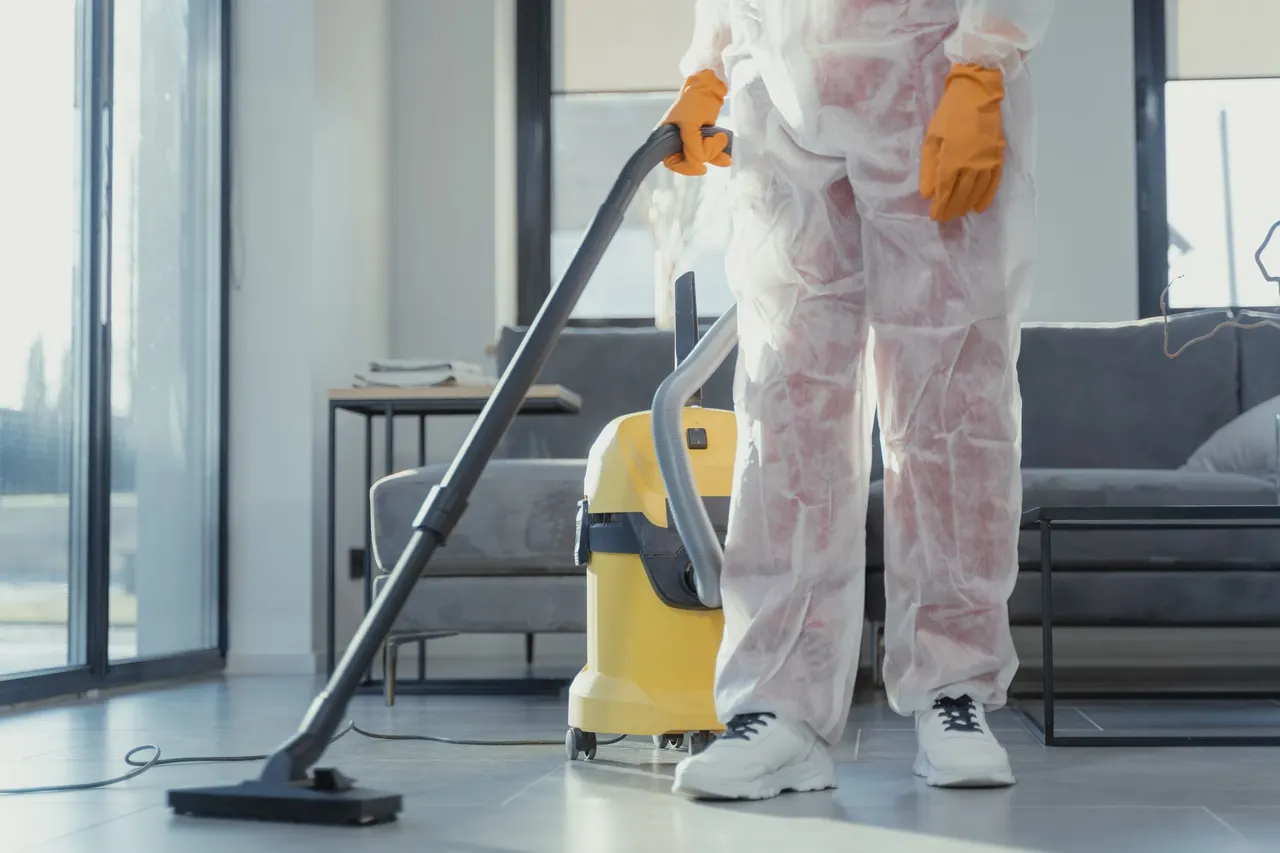
  • How will you find moisture beyond the visible stain?

    A contractor should describe checking adjoining rooms, floor edges, and accessible wall cavities rather than stopping at the obvious damage. Moisture meters and documented comparison readings help show where water traveled. That process reduces the chance of leaving a damp area hidden behind a baseboard or new finish.

  • What happens first if water is still entering my home?

    The source needs to be stopped or isolated before drying can work properly. A good response separates immediate safety and extraction from plumbing, roof, or drainage repairs. You should hear a practical sequence that protects people, reduces ongoing water entry, and avoids placing equipment against an active leak.
  • How will you decide what can be dried or must be removed?

    Material type, water cleanliness, saturation, and access all affect that decision. Ask how the contractor will inspect drywall, insulation, carpet padding, and flooring and document the findings. The answer should connect removal decisions to observed conditions, not a blanket rule for every room.

  • How often will you check the drying equipment?

    Equipment needs readings and adjustments as materials dry. Ask how the team records moisture and humidity, when it will revisit, and what conditions indicate progress. Regular checks help keep an air mover or dehumidifier working toward a measured target instead of running without a clear endpoint.

  • Can you document the damage for my insurance claim?

    Photos, moisture maps, affected-material notes, and equipment records can help you explain the loss to your insurer. Ask what the crew documents and whether the pricing and work steps are explained before authorization. Your insurer makes coverage decisions, but organized restoration records make the claim discussion clearer.

Colony at Kuna water restoration FAQs

Still wondering? (833) 546-4116

Local service team

Call for emergencywaterdamagerepair in Colony at Kuna

If water is spreading through your Colony at Kuna home, call Kuna water damage restoration at (833) 546-4116. We will ask what happened, where water is visible, and whether the source is still active, then arrange the next safe response. Our team serves the planned community around Colony North and Colony South and documents the affected area with moisture readings. Call now to start water removal and inspection.

Contact the Kuna Team

Call (833) 546-4116 when water reaches your home or business in Kuna, Idaho. Tell us whether the source is still active, which rooms are affected, and when the damage began; that helps direct the next steps. Calls are accepted at any hour for emergency inquiries, and service coverage includes Kuna, ID, with ZIP codes 83634 and 83642.

Thanks. Your request is in and the team will follow up shortly.